What Is a Transformer Radiator?
05-07 2026 | By:
Introduction
Power transformers are among the most critical assets in electrical transmission and distribution systems. Whether installed in substations, industrial plants, renewable energy projects, or urban power networks, transformers continuously generate heat during operation. Without an effective cooling system, excessive temperature rise can shorten transformer lifespan, reduce efficiency, damage insulation materials, and even lead to catastrophic failure.
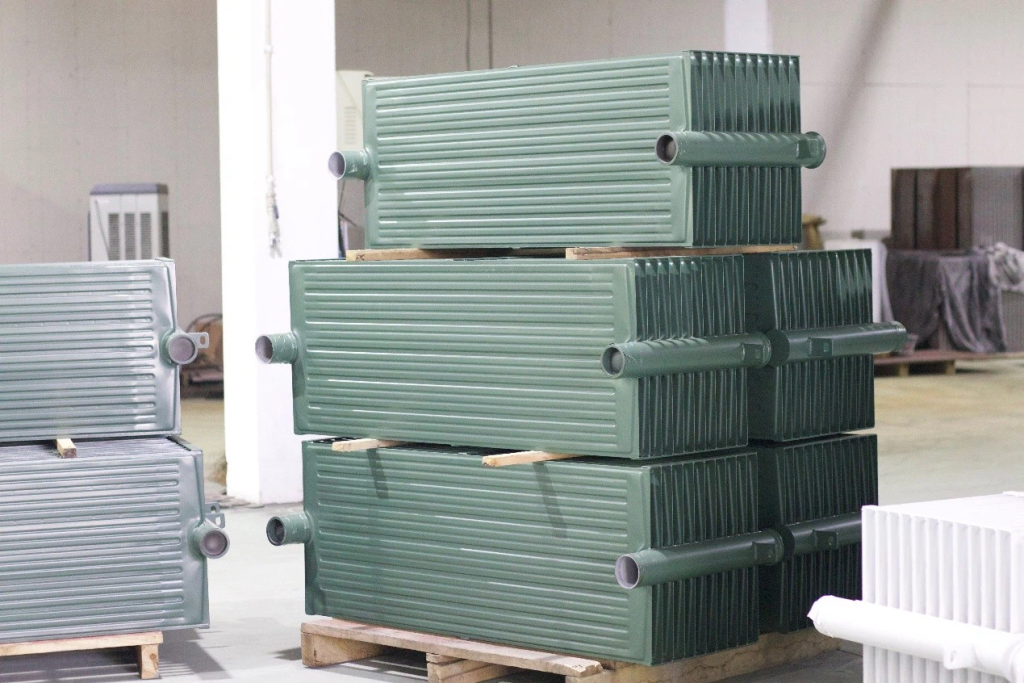
One of the most important components used to dissipate this heat is the transformer radiator.
A transformer radiator is a heat dissipation device attached to oil-immersed transformers. Its primary function is to transfer heat from the transformer insulating oil into the surrounding air, ensuring the transformer operates within safe temperature limits.
As global electricity demand increases and power infrastructure expands across Asia, Africa, the Middle East, and South America, the demand for high-efficiency transformer cooling systems is growing rapidly. Utilities and transformer manufacturers are increasingly focused on selecting reliable transformer radiators that comply with IEC and ANSI standards while improving operational efficiency and reducing maintenance costs.
In this complete guide, we will explain:
- What a transformer radiator is
- How transformer radiators work
- Main types of transformer radiators
- ONAN and ONAF cooling systems
- Radiator materials and construction
- Advantages of detachable radiators
- Radiator vs corrugated tank comparison
- How to choose the right transformer radiator
- Common applications
- Maintenance and troubleshooting
- Future trends in transformer cooling technology
If you are searching for a transformer radiator manufacturer, transformer cooling solution, or OEM transformer radiator supplier, this article provides everything you need to know.
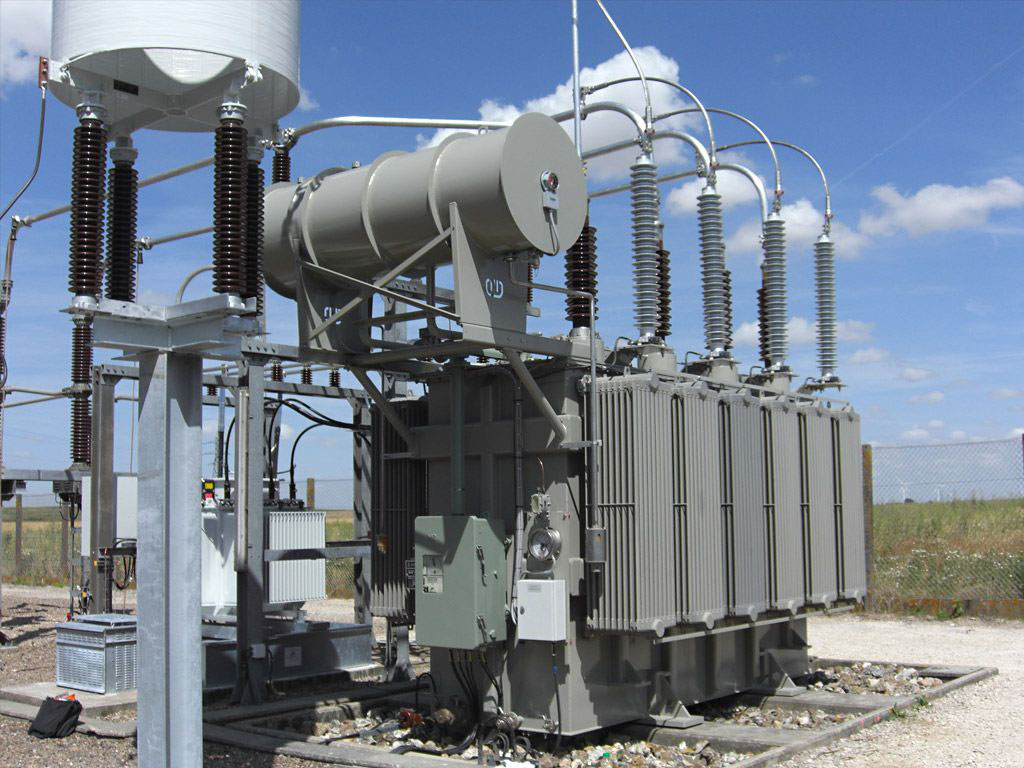
transformer radiator manufacturer
What Is a Transformer Radiator?
A transformer radiator is a cooling component used in oil-filled transformers to dissipate heat generated during transformer operation.
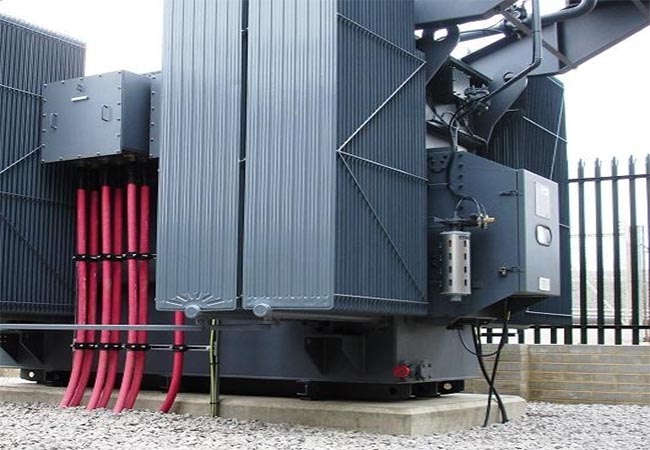
The radiator is typically mounted on the side walls of the transformer tank and connected through valves or flanges. Hot insulating oil from the transformer flows into the radiator panels, where heat is transferred to ambient air through natural or forced air circulation.
Transformer radiators are widely used in:
- Power transformers
- Distribution transformers
- Substation transformers
- Furnace transformers
- Renewable energy transformers
- Industrial transformers
The radiator plays a vital role in maintaining transformer thermal stability and extending insulation life.
Why Transformers Need Cooling
Transformers generate heat due to:
- Copper losses (I²R losses)
- Core losses
- Eddy current losses
- Stray losses
As transformer load increases, operating temperature rises significantly.
Excessive temperature can cause:
- Oil degradation
- Insulation aging
- Reduced dielectric strength
- Lower efficiency
- Increased maintenance costs
- Transformer failure
According to IEC standards, transformer insulation life decreases dramatically for every temperature increase above the designed operating limit.
Therefore, transformer cooling systems are essential for:
- Safe operation
- Thermal management
- Reliability
- Long service life
How Does a Transformer Radiator Work?
A transformer radiator operates based on heat exchange and natural circulation principles.
Step 1: Heat Generation
The transformer core and winding generate heat during electrical operation.
Step 2: Heat Transfer to Oil
Transformer insulating oil absorbs this heat and becomes hot.
Hot oil naturally rises inside the transformer tank.
Step 3: Oil Circulation Into Radiator
The hot oil enters the radiator panels through upper valves or connecting pipes.
Step 4: Heat Dissipation
The radiator surface transfers heat into surrounding air through:
- Natural convection
- Radiation
- Forced air cooling (with fans)
As oil cools, it becomes denser and flows back into the transformer tank.
Step 5: Continuous Cooling Cycle
This circulation process continues continuously during transformer operation.
The result is stable transformer operating temperature.
Main Types of Transformer Radiators
There are several types of transformer radiators used in modern transformer manufacturing.
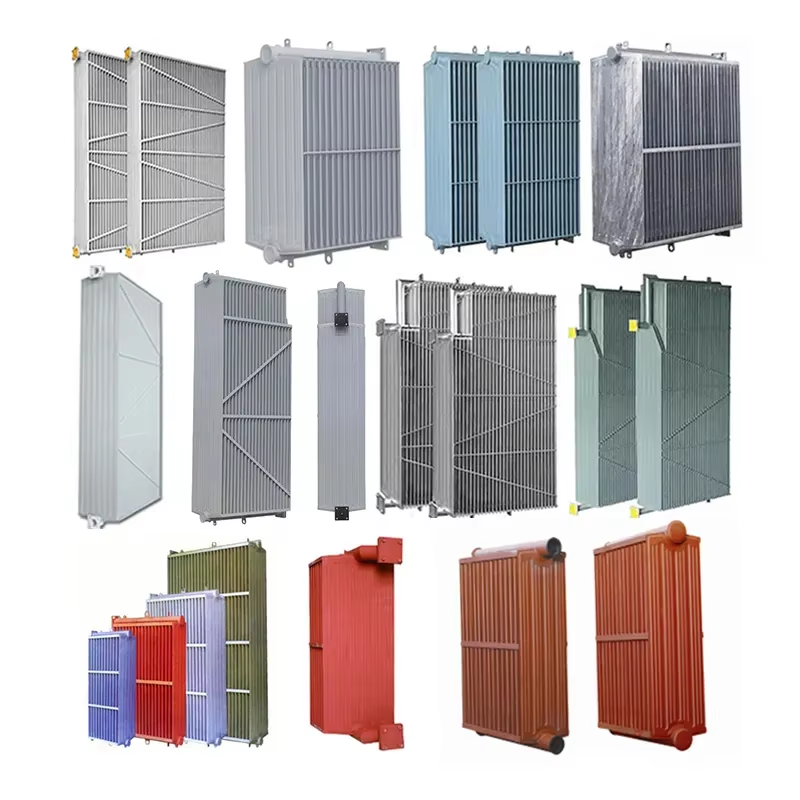
1. Panel Type Transformer Radiator
Panel radiators are the most common type used in oil-filled transformers.
Features:
- Welded steel panel structure
- High cooling efficiency
- Compact design
- Easy installation
- Suitable for medium and large transformers
Advantages:
- Excellent heat dissipation
- Cost-effective
- Durable construction
- Easy maintenance
Applications:
- Power transformers
- Substation transformers
- Industrial transformers
2. Detachable Transformer Radiator
Detachable radiators are connected to the transformer tank through flanges and butterfly valves.
Features:
- Removable structure
- Convenient transportation
- Easy replacement
- Flexible maintenance
Advantages:
- Lower shipping costs
- Easier installation
- Simplified maintenance
- Reduced downtime
Detachable radiators are widely used for export transformers.
3. Corrugated Tank Radiator
Corrugated transformer tanks combine the oil tank and cooling structure into a single unit.
Features:
- Corrugated steel wall
- Integrated cooling design
- Compact footprint
Advantages:
- Lower manufacturing cost
- Reduced oil leakage risk
- Lightweight structure
Applications:
- Distribution transformers
- Pole-mounted transformers
- Compact substations
4. Fin Wall Radiator
Fin wall radiators use extended metal fins to increase cooling surface area.
Advantages:
- Enhanced thermal efficiency
- Lightweight design
- Compact structure
Common in smaller transformer applications.
5. Forced Air Cooling Radiator
Forced air cooling systems use fans mounted on radiators.
Advantages:
- Increased cooling capacity
- Suitable for high-load transformers
- Better temperature control
Applications:
- Large power transformers
- Utility substations
- Heavy industrial systems
Transformer Cooling Methods
Transformer radiators are part of broader transformer cooling systems.
The most common cooling methods include:
| Cooling Method | Description |
|---|---|
| ONAN | Oil Natural Air Natural |
| ONAF | Oil Natural Air Forced |
| OFAF | Oil Forced Air Forced |
| OFWF | Oil Forced Water Forced |
ONAN Cooling System
ONAN stands for:
Oil Natural Air Natural
In this system:
- Oil circulates naturally
- Air cooling occurs naturally
- No fans or pumps required
Advantages:
- Simple design
- Low maintenance
- Energy efficient
- Quiet operation
Applications:
- Medium-sized transformers
- Distribution transformers
ONAF Cooling System
ONAF stands for:
Oil Natural Air Forced
In this system:
- Oil circulation remains natural
- Cooling fans increase air circulation
Advantages:
- Higher cooling efficiency
- Increased transformer capacity
- Better temperature reduction
Applications:
- Large power transformers
- High-load substations
Transformer Radiator Materials
Transformer radiators are typically manufactured from:
Mild Steel
Most common material.
Advantages:
- Strong structure
- Good weldability
- Cost-effective
Stainless Steel
Used in corrosive environments.
Advantages:
- Corrosion resistance
- Long service life
Galvanized Steel
Provides enhanced anti-rust protection.
Transformer Radiator Manufacturing Process
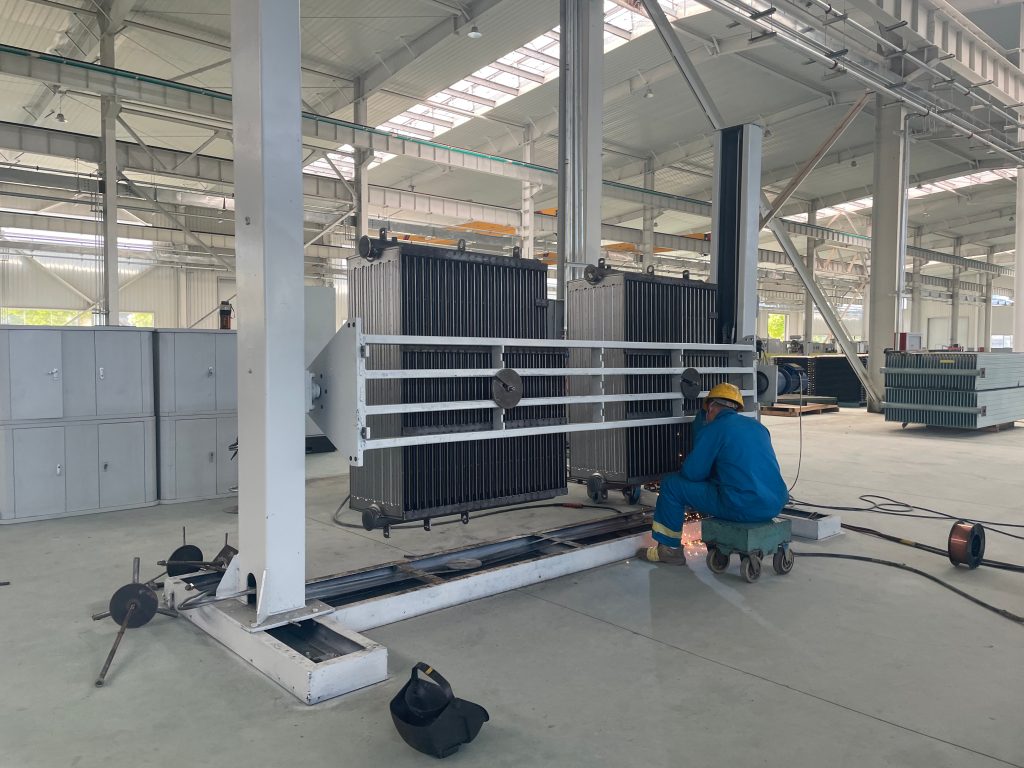
The manufacturing process generally includes:
- Steel sheet cutting
- Panel stamping
- Welding
- Leak testing
- Surface treatment
- Sandblasting
- Painting
- Pressure testing
- Final inspection
High-quality radiators must pass:
- Vacuum leak tests
- Pressure tests
- Welding inspections
- Paint thickness inspection
Importance of Transformer Radiator Design
Good radiator design improves:
- Cooling efficiency
- Transformer lifespan
- Operational reliability
- Energy efficiency
Key design factors include:
- Heat transfer area
- Oil flow rate
- Panel spacing
- Surface treatment
- Ambient temperature
Transformer Radiator vs Corrugated Tank
Many customers compare transformer radiators and corrugated tanks.
Transformer Radiator
Advantages:
- Higher cooling capacity
- Suitable for large transformers
- Easier maintenance
Disadvantages:
- Larger footprint
- More components
Corrugated Tank
Advantages:
- Compact structure
- Lower cost
- Reduced leakage points
Disadvantages:
- Lower cooling efficiency
- Limited capacity range
Applications of Transformer Radiators
Transformer radiators are used in many industries.
Power Transmission
Used in:
- Grid substations
- Transmission networks
Renewable Energy
Installed in:
- Solar farms
- Wind power substations
- Battery energy systems
Industrial Plants
Used in:
- Steel mills
- Mining
- Manufacturing plants
Railways
Power supply transformers for railway systems require efficient cooling.
How to Choose a Transformer Radiator
Selecting the correct transformer radiator depends on several factors.
1. Transformer Capacity
Larger transformers require larger cooling surfaces.
2. Cooling Method
Choose between:
- ONAN
- ONAF
- OFAF
3. Ambient Temperature
Hot climates require enhanced cooling systems.
4. Installation Space
Compact substations may require corrugated designs.
5. Maintenance Requirements
Detachable radiators simplify servicing.
6. Corrosion Resistance
Coastal environments may require galvanized or stainless steel radiators.
Advantages of High-Quality Transformer Radiators
A premium transformer radiator offers:
- Better cooling performance
- Longer transformer life
- Reduced maintenance
- Improved reliability
- Lower operational costs
- Reduced overheating risk
Common Problems in Transformer Radiators
Oil Leakage
Caused by:
- Poor welding
- Damaged gaskets
- Loose flanges
Corrosion
Occurs in:
- Humid environments
- Coastal areas
Blocked Oil Flow
Can reduce cooling performance.
Fan Failure
In ONAF systems, failed fans reduce cooling efficiency.
Transformer Radiator Maintenance
Routine maintenance includes:
- Leak inspection
- Surface cleaning
- Valve inspection
- Fan testing
- Paint inspection
- Corrosion monitoring
Preventive maintenance improves reliability and reduces downtime.
IEC Standards for Transformer Radiators
Transformer radiators are commonly manufactured according to:
- IEC 60076
- ANSI standards
- ISO quality systems
Compliance ensures:
- Safety
- Thermal performance
- Durability
- International compatibility
Future Trends in Transformer Cooling Technology
The transformer industry is evolving rapidly.
Key trends include:
Smart Cooling Systems
Using sensors and automation for dynamic cooling control.
Energy-Efficient Designs
Reducing operational losses.
Advanced Coatings
Improving corrosion resistance.
Eco-Friendly Cooling
Supporting biodegradable insulating oils.
Why Global Demand for Transformer Radiators Is Growing
Several factors are driving market growth:
- Renewable energy expansion
- Grid modernization
- Urban infrastructure
- Industrialization
- Electrification projects
Developing markets in:
- Southeast Asia
- Africa
- Middle East
are seeing particularly strong demand.
Choosing a Reliable Transformer Radiator Manufacturer
When selecting a supplier, consider:
Manufacturing Experience
Look for experienced OEM manufacturers.
Quality Control
Ensure:
- Leak testing
- Pressure testing
- Welding inspection
Export Experience
International shipping requires reliable packaging and documentation.
Certifications
Important certifications include:
- ISO
- CE
- IEC compliance
FAQ About Transformer Radiators
What is the function of a transformer radiator?
A transformer radiator dissipates heat from transformer insulating oil into surrounding air.
How does transformer cooling work?
Hot oil circulates through radiator panels where heat transfers into ambient air.
What is the difference between ONAN and ONAF?
ONAN uses natural air cooling, while ONAF uses cooling fans for forced air circulation.
Which type of radiator is best for power transformers?
Panel type detachable radiators are widely used for large power transformers.
Can transformer radiators be replaced?
Yes. Detachable radiators are designed for easy replacement and maintenance.
What material is used in transformer radiators?
Most transformer radiators are made from mild steel, galvanized steel, or stainless steel.
You may also find these interesting: