Transformer Radiator vs Cooling Fan: Which Cooling Method is Better?
04-26 2026 | By:
Transformer Radiator vs Cooling Fan: Complete Comparison Guide
Introduction
Efficient cooling is one of the most critical factors affecting transformer performance, reliability, and lifespan. As transformers operate under electrical load, they generate heat that must be dissipated effectively to prevent insulation failure and system breakdown.
Two of the most commonly used cooling methods in oil-immersed transformers are transformer radiators and cooling fan systems. While both serve the same purpose—removing excess heat—their working principles, applications, and performance characteristics differ significantly.
This guide provides a comprehensive comparison of transformer radiator vs cooling fan, helping engineers, procurement managers, and EPC contractors select the most suitable cooling solution.
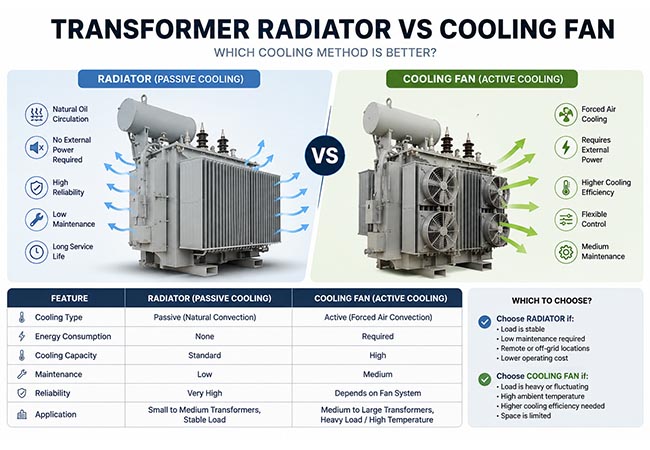
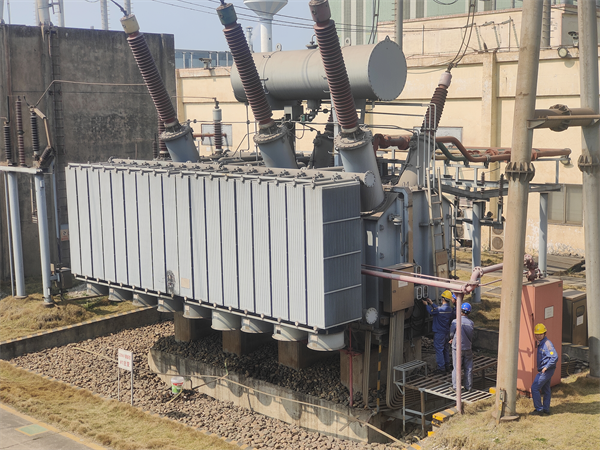
What is a Transformer Radiator
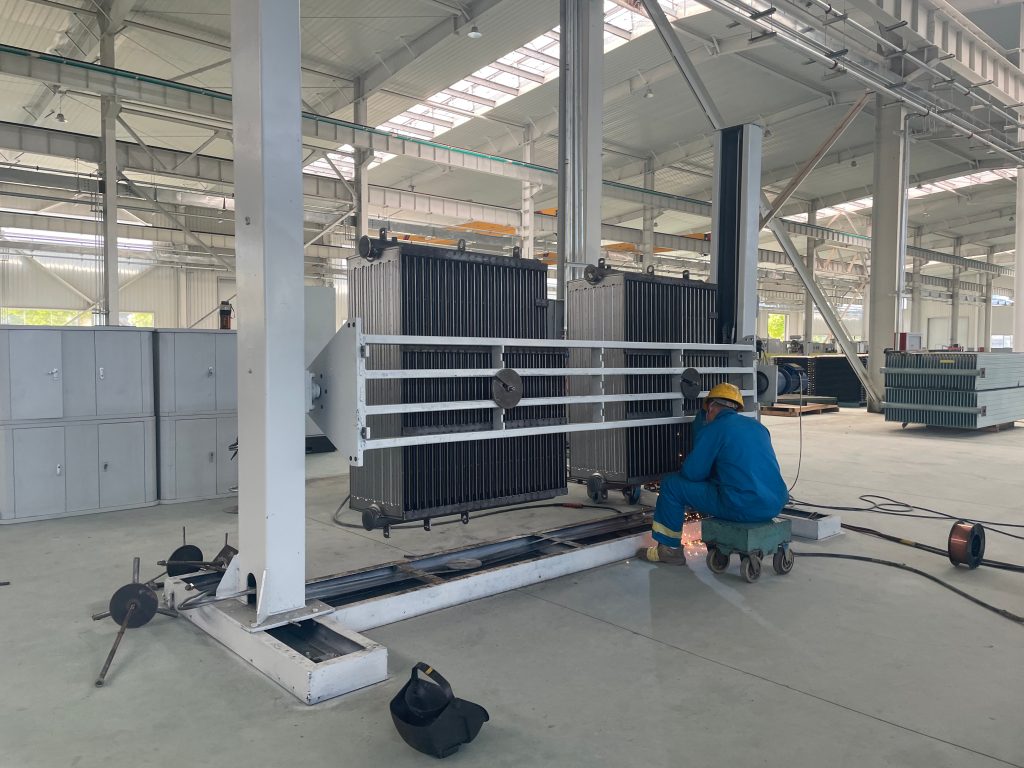
A transformer radiator is a passive cooling component designed to dissipate heat from transformer oil through natural convection.
Hot oil rises from the transformer tank into the radiator panels, where heat is transferred to the surrounding air. The cooled oil then returns to the tank, creating a continuous natural circulation loop.
Key Features:
- Passive cooling (no external power required)
- Steel panel or tubular structure
- Long service life
- Minimal maintenance
Typical Applications:
- Oil-immersed transformers
- Distribution transformers
- Medium-capacity power transformers
Related product: transformer radiator manufacturer page
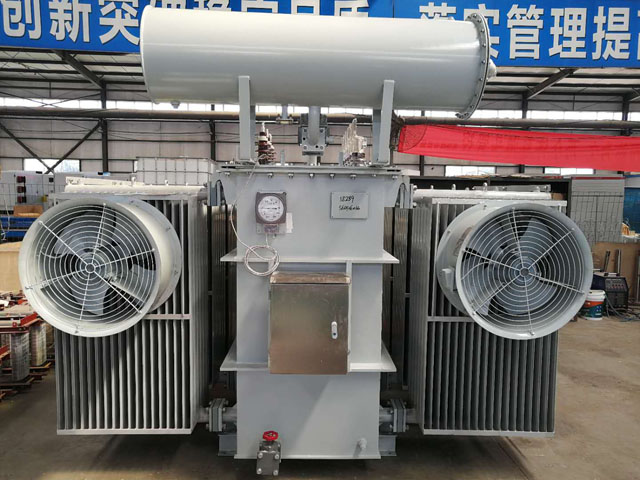
What is a Cooling Fan System
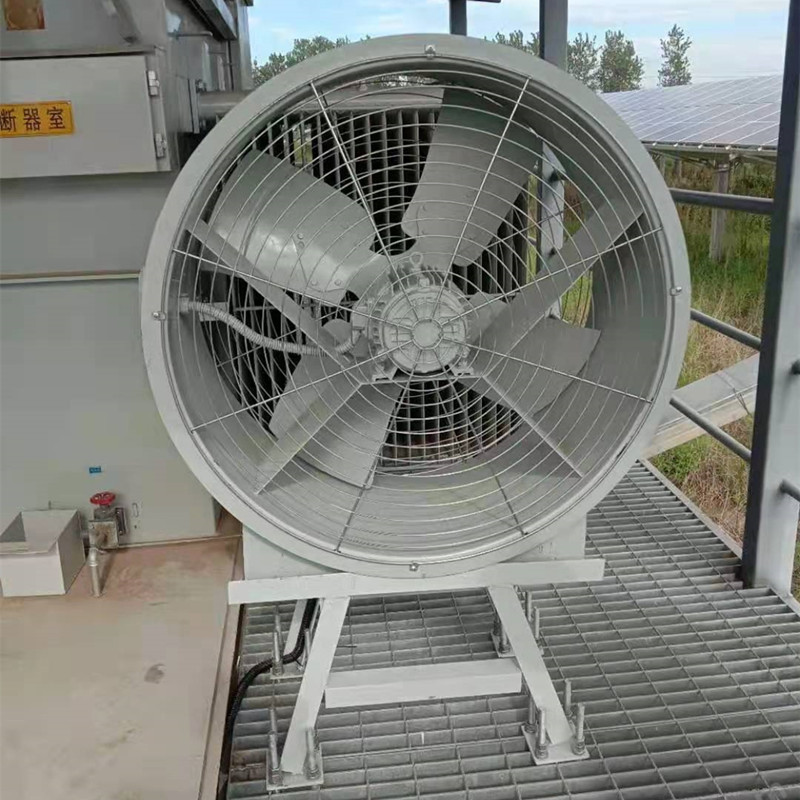
A transformer cooling fan is an active cooling device that enhances heat dissipation by forcing air across the transformer surface or radiator panels.
Cooling fans are typically used in conjunction with radiators in forced cooling systems such as ONAF (Oil Natural Air Forced).
Key Features:
- Active cooling with electric fans
- Controlled operation (auto/manual)
- Increased heat dissipation capacity
Typical Applications:
- High-capacity transformers
- High-load conditions
- High ambient temperature environments
Key Differences Between Radiator and Cooling Fan
| Feature | Transformer Radiator | Cooling Fan |
|---|---|---|
| Cooling Type | Passive | Active |
| Energy Consumption | None | Required |
| Maintenance | Low | Moderate |
| Cooling Capacity | Standard | High |
| Reliability | Very high | Depends on system |
| Application | Normal load | Heavy load |
Advantages of Transformer Radiators
1. High Reliability
Radiators operate without moving parts, reducing the risk of mechanical failure.
2. Zero Energy Consumption
Unlike fans, radiators do not require electricity, lowering operational costs.
3. Long Service Life
With proper coating and welding, radiators can last decades.
4. Low Maintenance
Minimal servicing required compared to active systems.
Advantages of Cooling Fans
1. Enhanced Cooling Performance
Fans significantly increase heat dissipation, especially under heavy loads.
2. Overload Capability
Transformers can operate beyond nominal capacity when fan cooling is applied.
3. Flexible Control
Fans can be turned on/off based on temperature conditions.
When to Use Radiator Only
Choose radiator-only cooling (ONAN) when:
- Transformer capacity is low to medium
- Load conditions are stable
- Installation is in remote areas
- Maintenance access is limited
When to Use Cooling Fan Syste
Choose radiator + fan (ONAF) when:
- Transformer capacity is high
- Load fluctuates frequently
- Ambient temperature is high
- Space is limited
Environmental Considerations
High Temperature Regions
- Fans are recommended
- Radiators alone may be insufficient
Coastal / Humid Areas
- Anti-corrosion coating required
- Radiator quality becomes critical
Cost Comparison
| Cost Type | Radiator | Cooling Fan |
|---|---|---|
| Initial Cost | Lower | Higher |
| Operating Cost | None | Ongoing |
| Maintenance Cost | Low | Medium |
Comon Mistakes to Avoid
❌ Undersized radiator
❌ Ignoring ambient temperature
❌ Poor coating quality
❌ Choosing fan without redundancy
How to Choose the Right Solution
Step 1: Determine transformer capacity
Step 2: Evaluate environmental conditions
Step 3: Define cooling class (ONAN / ONAF)
Step 4: Select reliable manufacturer
Why Cooling System Matters
A properly selected cooling system:
- Extends transformer lifespan
- Improves efficiency
- Reduces failure risk
- Ensures stable operation
FAQ
What is the difference between ONAN and ONAF?
ONAN uses natural cooling, while ONAF uses forced air cooling.
Are cooling fans always necessary?
No, only for high-load or high-temperature conditions.
Conclusion
Both transformer radiators and cooling fans play essential roles in transformer cooling systems. The right choice depends on capacity, environment, and operational requirements.
For optimal performance, many modern transformers use a combination of both systems.
Looking for a reliable transformer radiator manufacturer?
Get custom design, fast delivery, and competitive pricing today.
Contact us now for a quote
You may also find these interesting: