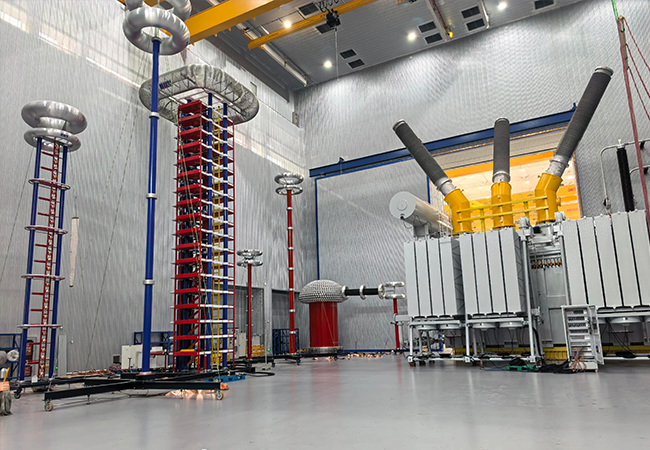
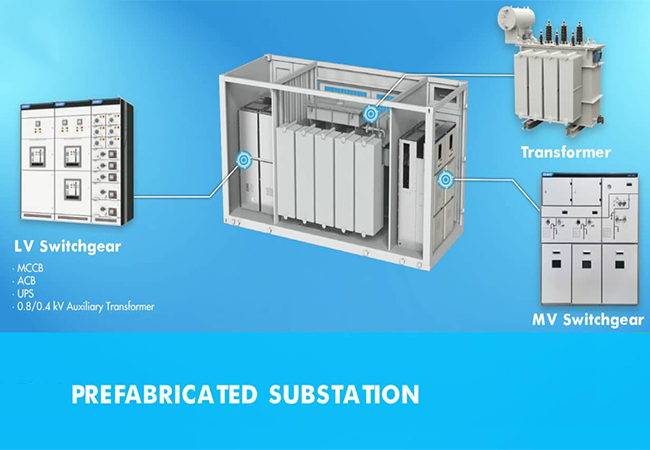
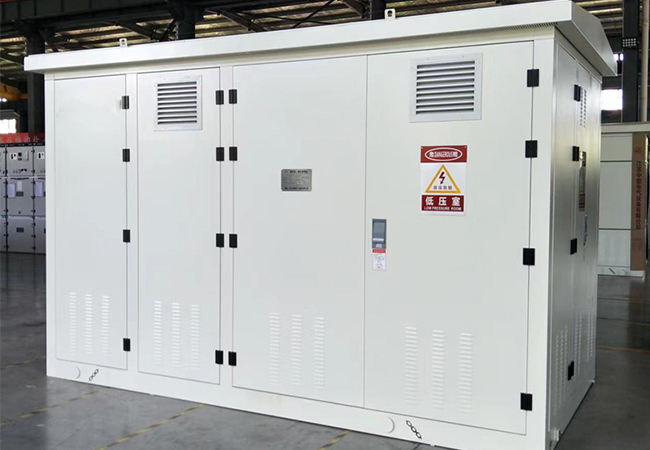
110 kV Power Transformers | High Efficiency & Reliable
12-06 2025 | By:
Introduction
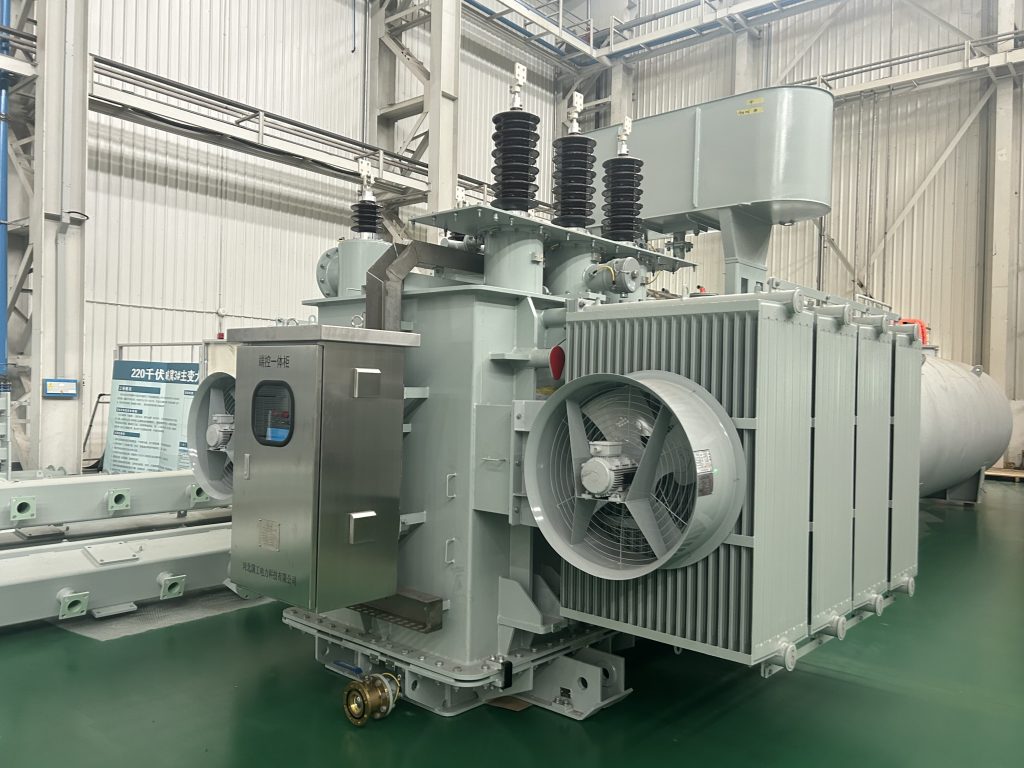
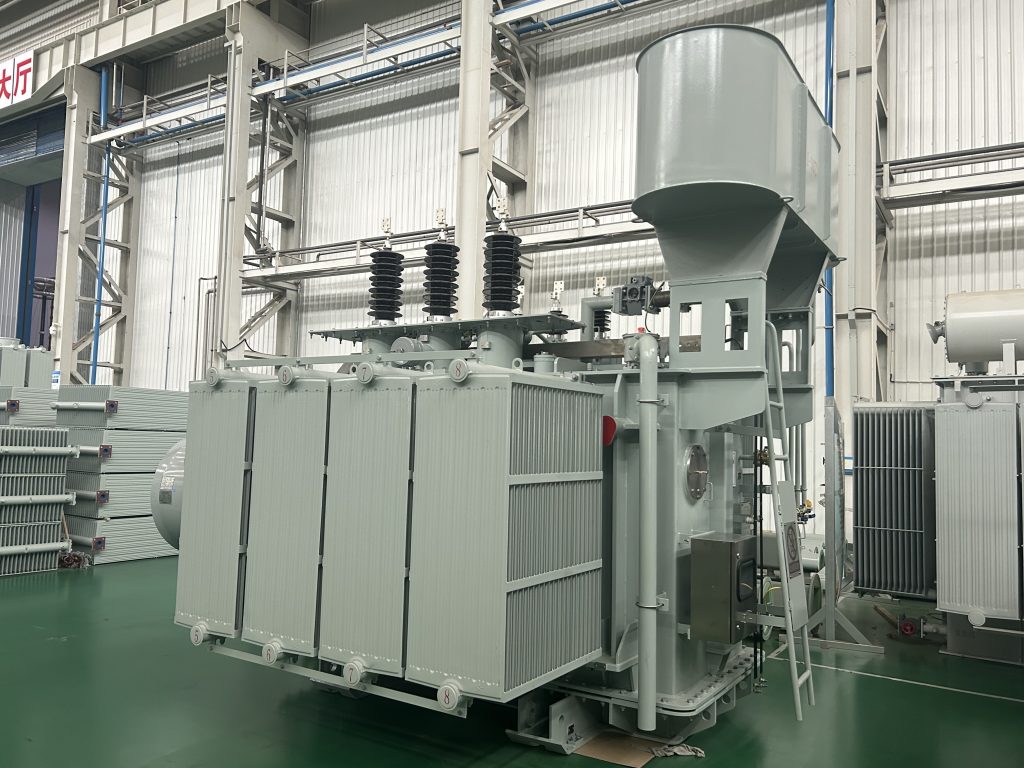
110 kV power transformers are critical for high-voltage power transmission, providing stable electricity to substations, industrial facilities, and renewable energy plants. Selecting the right transformer ensures reliable performance, low losses, and long-term efficiency.
 +86 166 5027 3776 Immediately communicate with engineers for a quote!
Key Features of 110 kV Transformers
High Load Capacity
Capable of handling peak industrial loads and continuous operation without compromising performance.
Advanced Insulation Systems
Options include oil-immersed or dry-type insulation, meeting IEC 60076 and IEEE standards for safety and durability.
Efficient Cooling System
Cooling types: ONAN, ONAF, OFAF, minimizing temperature rise and extending lifespan.
Low Loss & High Efficiency
Optimized core and winding design reduces core and copper losses, improving energy efficiency.
Robust Mechanical Design
Strong tank construction and winding supports ensure vibration and seismic resistance.
Applications of 110 kV Transformers
-
Urban and Regional Substations – Stable electricity supply.
-
Renewable Energy Plants – Efficient solar, wind, hydro integration.
-
Industrial Facilities – Factories, mines, chemical plants.
-
Critical Infrastructure – Hospitals, data centers, secure facilities.
Benefits of High-Quality 110 kV Transformers
-
Reliability & Safety – Prevent outages and system failures.
-
Long Service Life – 20–40 years with proper maintenance.
-
Energy Efficiency – Minimize operational losses.
-
Standards Compliance – IEC 60076, IEEE, local regulations.
-
Customization – Tailored for load, insulation, cooling, and environment.
+86 166 5027 3776 Immediately communicate with engineers for a quote!
110 kV Power Transformer – Key Parameters
| Parameter | Typical Value / Range | Notes / Application |
|---|---|---|
| Rated Voltage (HV/LV) | 110 kV / 10–35 kV | High-voltage transmission to distribution networks |
| Rated Power (MVA) | 10–200 MVA | Based on substation or industrial load |
| Impedance (%) | 8–12% | Affects short-circuit current and voltage regulation |
| Cooling Type | ONAN / ONAF / OFAF | Oil natural/forced circulation options for different load conditions |
| Insulation Class | A, F, H (IEC) | Determines max operating temperature and dielectric strength |
| Vector Group | Dyn11, YNd11, YNd1 | Common for load balancing and phase-shifting |
| Efficiency (%) | 98–99% | Optimized for low core & copper losses |
| No-load Loss (kW) | 20–300 kW | Depends on core design and rated power |
| Load Loss (kW) | 50–800 kW | Varies with winding configuration and MVA rating |
| Temperature Rise | 55–65 °C (ONAN) | Maintains safe operation under full load |
| Weight (tons) | 10–50 t | Depends on MVA and cooling system |
| Insulating Oil Type | Mineral oil / Ester | Optional biodegradable or high-temperature oil |
| Noise Level (dB) | 55–65 dB | Important for urban installations |
| Application Areas | Substations, industrial plants, renewable integration | Ensures stable power supply and efficient energy transfer |
| Standards Compliance | IEC 60076, IEEE | Safety, performance, and quality assurance |
+86 166 5027 3776 Immediately communicate with engineers for a quote!
Buying Guide
-
Assess load and future expansion needs.
-
Verify insulation class and voltage regulation.
-
Choose suitable cooling type.
-
Confirm manufacturer certifications and after-sales support.
-
Consider transport and installation logistics.
Conclusion & CTA
Investing in high-quality 110 kV transformers ensures efficient, reliable power supply.
Contact us today for custom 110 kV transformer solutions and maximize grid reliability and efficiency.
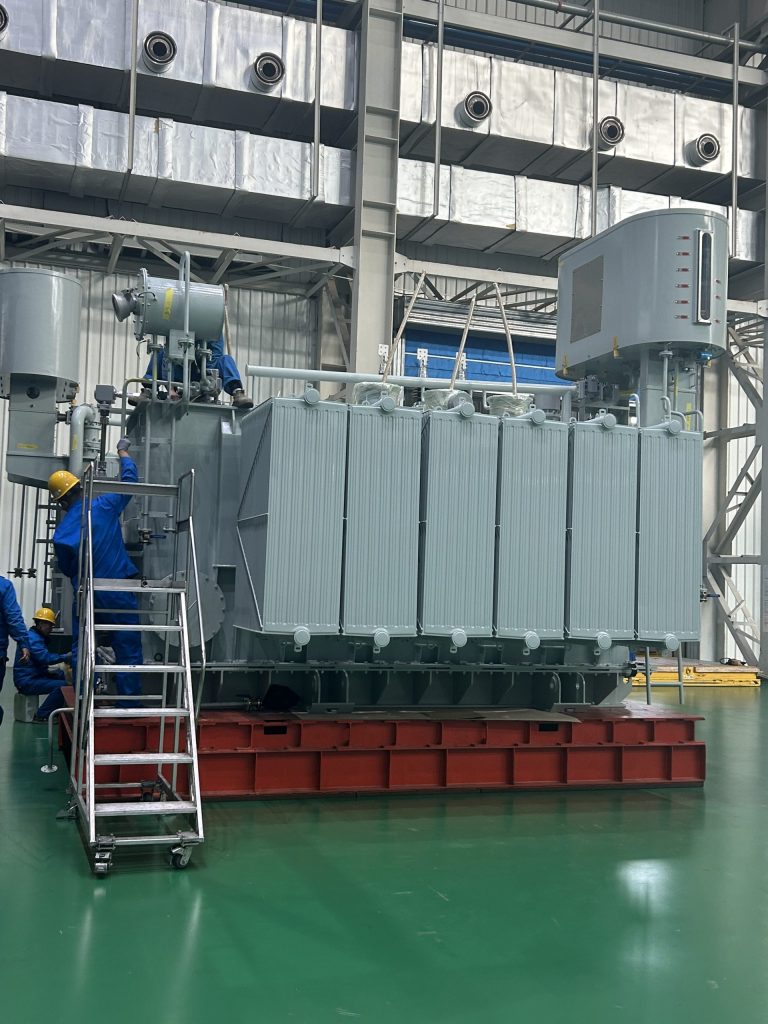
110 kV power transformers are designed for high-voltage transmission, providing stable, efficient, and reliable electricity to substations, industrial facilities, and renewable energy plants. They feature advanced insulation, high load capacity, energy-efficient design, and robust cooling systems, ensuring long-term performance and low operational losses.
+86 166 5027 3776 Immediately communicate with engineers for a quote!
FAQ – 110 kV Power Transformers
Q1: What is a 110 kV power transformer?
A 110 kV power transformer is a high-voltage electrical transformer used in transmission and distribution systems to deliver stable, reliable electricity to substations, industrial facilities, and renewable energy plants. It ensures efficient power transfer and supports high-load applications.
Q2: What are the main applications of 110 kV transformers?
These transformers are widely used in:
-
Urban and regional substations for electricity distribution
-
Industrial plants, including factories, mines, and chemical facilities
-
Renewable energy integration, such as solar, wind, and hydroelectric systems
-
Critical infrastructure like hospitals, data centers, and high-security facilities
Q3: How do I choose the right 110 kV transformer?
Consider the following factors when selecting a transformer:
-
Load requirements and peak demand
-
Future expansion and capacity planning
-
Insulation type and class (oil-immersed or dry-type)
-
Cooling system (ONAN, ONAF, OFAF)
-
Voltage regulation and efficiency
-
Compliance with standards such as IEC 60076 and IEEE
Q4: What are the key benefits of high-quality 110 kV transformers?
High-quality transformers provide:
-
Reliable and stable power supply
-
Long service life (typically 20–40 years)
-
Low energy losses and high efficiency
-
Compliance with international safety and performance standards
-
Customizable solutions for different industrial and grid applications
Q5: What types of cooling systems are available for 110 kV transformers?
Common cooling systems include:
-
ONAN (Oil Natural Air Natural): Natural oil and air circulation for standard load conditions
-
ONAF (Oil Natural Air Forced): Forced air cooling for higher load and temperature control
-
OFAF (Oil Forced Air Forced): Maximum cooling for heavy-duty or high-temperature environments
Q6: Can 110 kV transformers be customized for specific industrial needs?
Yes. Manufacturers can customize transformers based on:
-
Load capacity and voltage ratio
-
Insulation class and type
-
Cooling method and temperature rise limits
-
Environmental conditions and installation constraints
-
Specific application requirements, such as renewable energy plants, electrolysis, or smelting
Q7: How is transformer efficiency measured and optimized?
Efficiency is typically measured by core and copper losses under load. High-efficiency transformers reduce energy losses, lower operational costs, and improve grid performance. Optimized core design, winding configuration, and cooling method all contribute to efficiency.
Q8: What maintenance is required for 110 kV transformers?
Regular maintenance ensures long-term reliability:
-
Oil testing and filtration (for oil-immersed types)
-
Inspection of insulation and bushings
-
Cooling system checks (fans, pumps, and radiators)
-
Thermal and load monitoring
-
Periodic electrical testing for voltage regulation and efficiency
Q9: Are 110 kV transformers suitable for renewable energy integration?
Absolutely. They are ideal for connecting solar, wind, and hydroelectric plants to the grid, providing stable voltage, efficient power transfer, and harmonic control, which ensures smooth integration of renewable energy sources.
Q10: What standards and certifications should I look for in a 110 kV transformer?
Ensure the transformer meets:
-
IEC 60076 for power transformer design and testing
-
IEEE standards for performance and safety
-
Local grid and regulatory certifications for electrical equipment
-
Manufacturer quality assurance, including factory testing and warranty coverage
- +86 166 5027 3776 Immediately communicate with engineers for a quote!
You may also find these interesting: