WTG Transformers for Wind Farms: Key Specifications and Selection Guide
12-11 2025 | By:
Wind farms require highly reliable transformers to ensure stable power collection, efficient transmission, and long-term performance under harsh environmental conditions. This SEO-optimized guide explains the key types of Wind Turbine Generator WTG transformers, their parameters, and how to select the right model for onshore and offshore applications.
1. Types of Wind Turbine Generators WTG Transformers
WTG transformers convert the generator’s low voltage—typically 0.4–0.69 kV—into medium or high voltage (10 kV / 20 kV / 35 kV) for grid transmission.
They are engineered to handle vibration, variable loads, temperature fluctuations, and long operational cycles.
Below is a comprehensive parameter comparison table covering all mainstream WTG transformer types.
 +86 166 5027 3776 Immediately communicate with engineers for a quote!
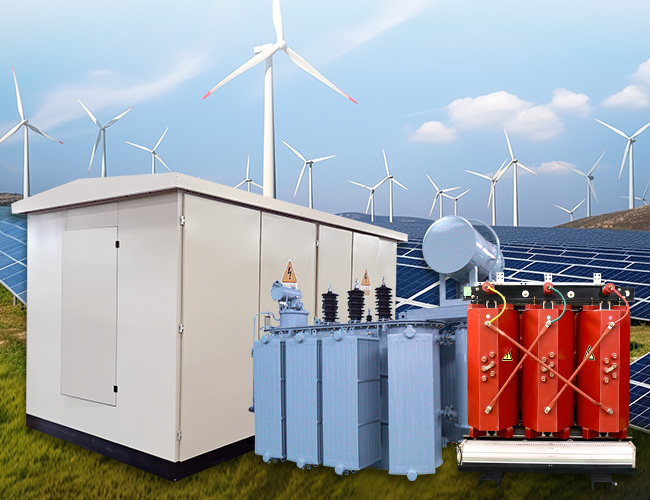
WTG Transformer Types & Technical Parameters Table
| Transformer Type | Cooling Method | Typical Voltage Level | Installation Location | Key Features | Best Application |
|---|---|---|---|---|---|
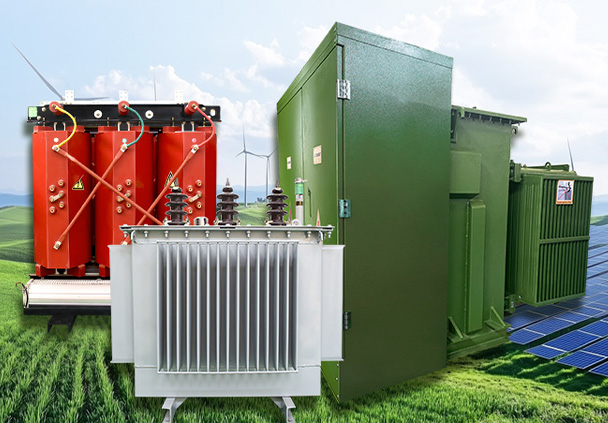
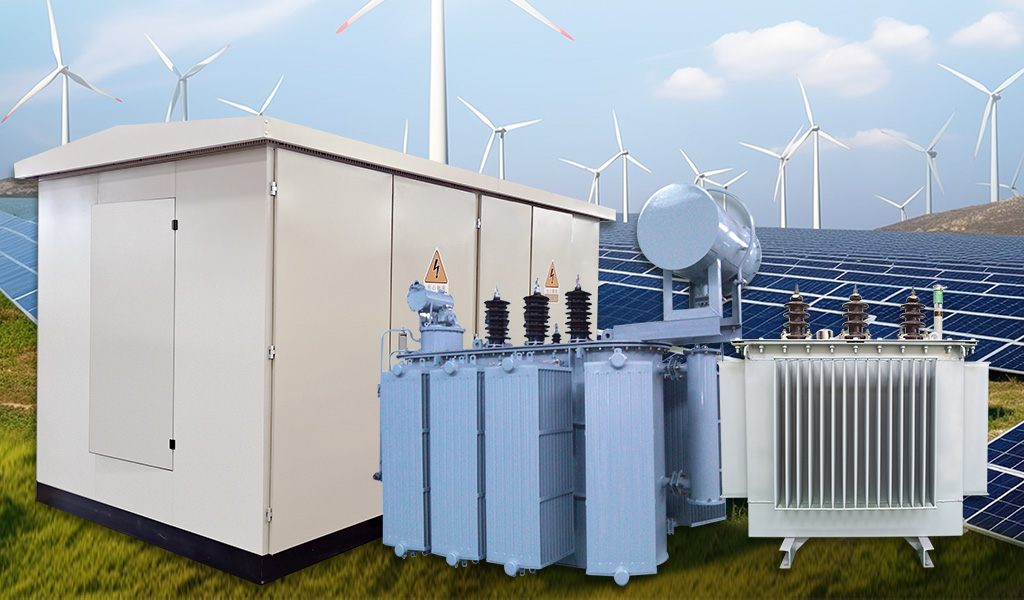
| Oil-Immersed WTG Transformer | ONAN / ONAF | 0.69 kV → 10–35 kV | Ground (near turbine) | High efficiency, strong overload capacity | Large onshore wind farms |
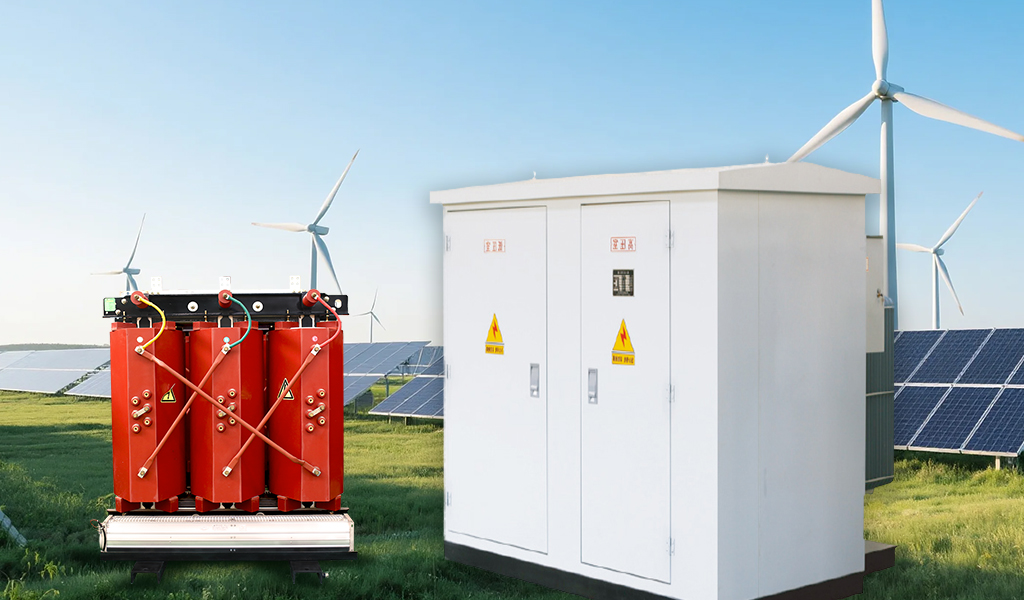
| Dry-Type Resin Cast WTG Transformer | AN / AF | 0.69 kV → 6–35 kV | Tower base / inside nacelle | Fire-safe, moisture-resistant, maintenance-free | Offshore & coastal wind farms |
| Amorphous Alloy Core WTG Transformer | ONAN | 0.69 kV → 10–35 kV | Ground / tower base | Ultra-low loss, energy saving | Long-term projects focused on loss reduction |
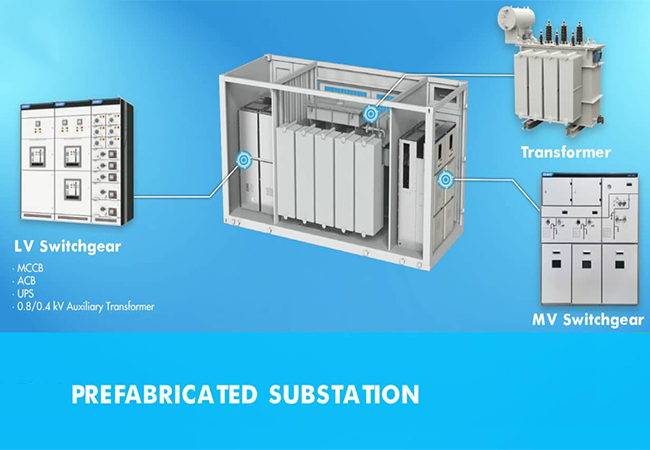
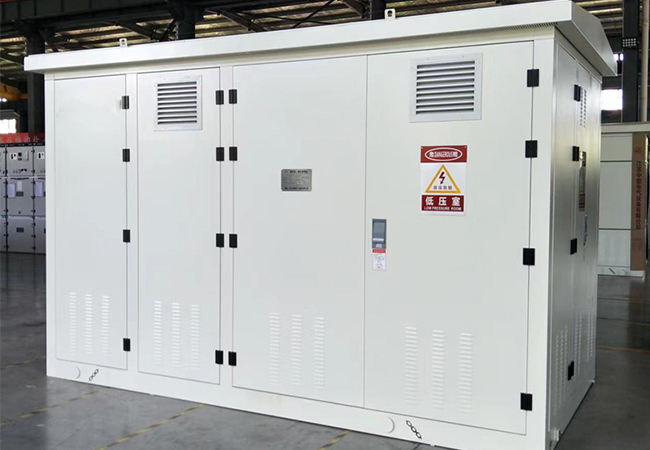
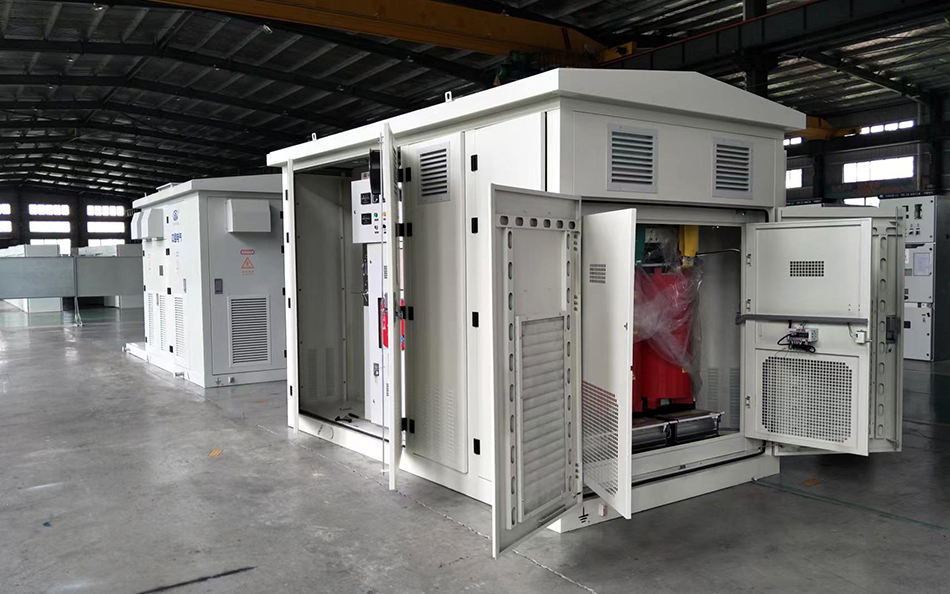
| Compact / Integrated Substation (Packaged Transformer) | Oil or Dry | 0.69 kV → 10–35 kV | Outdoor near turbine | Combines transformer + switchgear, easy installation | Distributed onshore wind farms |
| Three-Unit Modular Transformer | Oil-immersed | 20–220 kV | Wind farm main substation | Easy transportation, fast assembly | Large-capacity wind farms with transport limits |
+86 166 5027 3776 Immediately communicate with engineers for a quote!
+86 166 5027 3776 Immediately communicate with engineers for a quote!
2. Transformer Sizing and Selection in Wind Farms
Accurate transformer sizing is critical for efficient system operation. Consider the following:
✓ Load Calculation
Use demand factors to assess total turbine output and auxiliary loads.
✓ Capacity Matching
Example:
If total load = 291.4 kVA, the appropriate choice is 315 kVA transformer.
✓ Voltage Regulation
-
NLTC (Off-circuit Tap-Changer) – lower cost
-
OLTC (On-load Tap-Changer) – required for grids with large voltage fluctuations
✓ Environmental & Installation Constraints
Wind farm sites often face:
-
Poor road access
-
High humidity
-
Salt-spray corrosion (offshore)
-
Temperature extremes
✓ Cooling System Considerations
-
Air-cooled is suitable for smaller dry-type units
-
Oil-cooled (ONAF) supports larger capacities and better heat dissipation
+86 166 5027 3776 Immediately communicate with engineers for a quote!
3. WTG Step-Up Transformers: Function & Requirements
The step-up transformer is placed close to—or inside—the turbine to raise generator output voltage to grid connection levels.
Onshore Wind Turbines
-
Often use oil-immersed transformers
-
May integrate HV/LV switchgear forming a modular substation
Offshore Wind Turbines
Installed inside the nacelle or tower, requiring:
-
Anti-corrosion coating
-
Sealed enclosure
-
Fire-safe insulation (dry-type)
-
Zero maintenance
WTG step-up transformers must withstand:
-
High vibration
-
Rapid load fluctuations
-
Long operation cycles
-
Temperature rise from generator heat
4. Key Factors for Selecting Wind Farm Transformers
✔ Capacity & Electrical Matching
The transformer must align with:
-
Turbine rated output
-
Grid voltage level
-
Power collection system layout
✔ Safety & Cost Performance
Consider:
-
Losses
-
Overload capability
-
Cooling efficiency
-
Fire resistance
✔ Environmental Adaptability
Offshore transformers must excel in:
-
Salt-fog resistance
-
Moisture protection
-
Corrosion resistance
-
Vibration damping
✔ Manufacturer Capability
Select suppliers able to provide:
-
Certified designs (IEC / IEEE / GB/T)
-
Custom wind-power engineering solutions
-
Proven field experience
Optimized selection guarantees high efficiency, safety, and long operational life of the entire wind power system.
You may also find these interesting: