220kV Power Transformer Factory Testing
10-23 2026 | By:
Introduction
A 220kV power transformer is a critical component of high-voltage substations and electrical transmission networks. Before delivery, appropriate factory testing is essential to verify the transformer’s electrical characteristics, insulation performance, and compliance with applicable technical specifications.
At ZTELEC YUGUANG, factory testing is an important part of the quality control process for power transformer manufacturing. Tests are selected according to the transformer design, applicable standards, contractual requirements, and customer specifications.
For high-voltage transformer projects, a properly documented testing process helps customers evaluate equipment quality and prepare for installation and commissioning.
1. Routine Tests for 220kV Power Transformers
Routine tests are generally performed on each transformer in accordance with the applicable requirements of the IEC 60076 series and the project specification.
Typical routine tests include:
Winding Resistance Measurement
Winding resistance is measured to check the electrical continuity of transformer windings and help identify potential connection defects or abnormal resistance values.
Voltage Ratio and Vector Group Verification
The voltage ratio and vector group are verified to confirm that the transformer meets the specified transformation ratio, winding connections, and phase relationships.
No-Load Loss and No-Load Current Measurement
This test evaluates the transformer’s no-load characteristics under specified test conditions. The results help verify core performance and assess compliance with guaranteed values.
Short-Circuit Impedance and Load Loss Measurement
Short-circuit impedance and load loss are measured to verify important electrical characteristics associated with transformer operation, efficiency, and system integration.
Insulation-Related Routine Tests
Applicable dielectric tests are performed to assess the insulation system’s ability to withstand specified electrical stresses. The required test methods and voltage levels depend on the transformer’s insulation design and rated insulation levels.
2. Dielectric Testing for 220kV Transformers
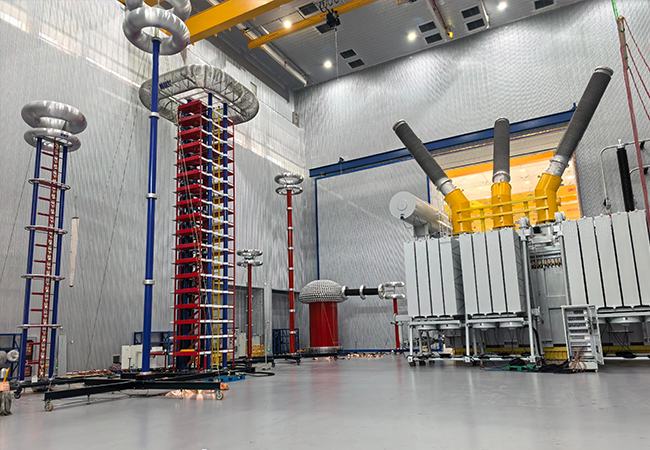
Insulation performance is particularly important for 220kV power transformers because they operate in high-voltage transmission systems and must withstand electrical stresses associated with normal operation and specified overvoltage conditions.
Depending on the applicable standards and project requirements, dielectric testing may include:
-
Applied Voltage Withstand Test: Evaluates the insulation between specified parts of the transformer under an applied test voltage.
-
Induced Voltage Withstand Test: Assesses the insulation between windings and other relevant insulation paths under specified induced-voltage conditions.
-
Partial Discharge Measurement: Measures partial discharge activity during applicable dielectric tests to evaluate the condition of the insulation system.
For 220kV transformers, test configurations, voltage levels, duration, and acceptance criteria must follow the applicable IEC requirements and approved technical specifications.
3. Type Tests and Special Tests
In addition to routine tests, certain type tests and special tests may be required to verify specific performance characteristics.
| Test | Purpose |
|---|---|
| Temperature-Rise Test | Verifies temperature-rise performance under specified operating conditions. |
| Lightning Impulse Test | Evaluates insulation withstand capability against specified lightning impulse voltages. |
| Switching Impulse Test | Assesses insulation performance under specified switching impulse conditions where applicable. |
| Sound Level Measurement | Measures transformer sound levels under defined test conditions. |
| Short-Circuit Withstand Assessment or Test | Evaluates the transformer’s ability to withstand short-circuit stresses according to applicable requirements and the agreed verification method. |
Not every test is required for every transformer. The applicable test scope depends on the transformer design, rated insulation levels, relevant standards, and contractual agreements.
4. Factory Acceptance Testing (FAT)
Factory Acceptance Testing (FAT) provides an opportunity for customers or their representatives to review the agreed test procedures and witness designated tests before shipment.
For a 220kV power transformer project, FAT arrangements may include:
-
Reviewing the approved technical specification and test plan.
-
Confirming the identification and configuration of the transformer under test.
-
Witnessing agreed routine or special tests.
-
Reviewing measured results against specified acceptance criteria.
-
Checking the completeness of the final test documentation.
Customer witness points, inspection schedules, and documentation requirements should be agreed upon before testing begins.
5. Transformer Test Reports and Quality Documentation
Accurate test documentation supports technical evaluation, project acceptance, and future maintenance planning.
Depending on the contract and test scope, the documentation package may include:
-
Factory routine test reports.
-
Type-test or special-test reports, where applicable.
-
Transformer nameplate and technical data.
-
Approved drawings and technical specifications.
-
Inspection records and agreed quality documents.
Customers should confirm the required documents and acceptance criteria during the technical clarification stage to ensure that the testing and documentation meet project requirements.
6. Why Factory Testing Matters for 220kV Transformers
Factory testing helps identify potential manufacturing or assembly issues before the equipment leaves the factory. It also provides documented evidence that the tested transformer meets the applicable technical requirements.
For utilities, EPC contractors, and industrial power project developers, a clearly defined testing scope can support equipment evaluation, delivery planning, and site commissioning preparation.
For high-voltage applications, the test plan should be developed around the actual transformer design rather than relying on a generic checklist.
7. 220kV Power Transformer Testing by ZTELEC YUGUANG
ZTELEC YUGUANG provides power transformer equipment and technical coordination for high-voltage substation and power transmission projects.
For 220kV transformer inquiries, customers can share their rated capacity, voltage ratio, frequency, vector group, insulation requirements, cooling method, applicable standards, and project-specific inspection requirements.
Our team can review the technical requirements and coordinate the proposed testing scope and documentation according to the project specification.
Planning a 220kV power transformer project? Contact ZTELEC YUGUANG to discuss technical requirements, factory testing arrangements, and a project-specific quotation.
You may also find these interesting: