Power Transformer Oil Cooler Buying Guide: Features, Materials, and Cooling Capacity
05-22 2026 | By:
Modern electrical grids rely heavily on power transformers to ensure stable electricity transmission and distribution. During operation, transformers generate substantial heat, especially under high loads. Without an effective cooling system, excessive temperatures can damage transformer insulation, reduce efficiency, and shorten service life.
This is where the power transformer oil cooler becomes essential. A high-quality oil cooling system helps maintain safe operating temperatures, improves transformer reliability, and extends equipment lifespan.
In this comprehensive buying guide, we will explain:
What a power transformer oil cooler is
Key features to evaluate before buying
Different materials used in oil coolers
Cooling capacity calculations
ONAN vs ONAF cooling systems
Applications in substations and industrial power systems
Why Radiastar transformer oil coolers are trusted worldwide
What Is a Power Transformer Oil Cooler?
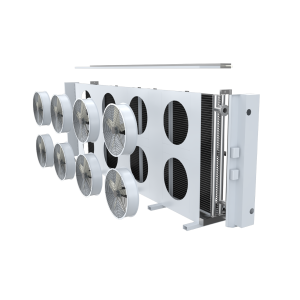
A power transformer oil cooler is a heat exchange component used in oil-immersed transformers. Its primary function is to remove excess heat from transformer oil and maintain optimal operating temperatures.
Transformer oil absorbs heat generated by transformer windings and the magnetic core. The hot oil circulates through radiators or cooling panels, where heat dissipates into the surrounding air.
Efficient cooling prevents:
Overheating
Insulation degradation
Reduced transformer efficiency
Unexpected shutdowns
Shortened transformer lifespan
Oil coolers are widely used in:
Power substations
Industrial transformers
Renewable energy systems
Railway electrification
Utility grids
Why Transformer Cooling Systems Matter
Transformer heat management directly impacts electrical performance and operational reliability.
1. Prevents Thermal Aging
High temperatures accelerate insulation aging. Proper oil cooling significantly slows degradation and extends transformer life.
2. Improves Energy Efficiency
Efficient cooling reduces energy losses and improves transformer operating performance.
3. Supports High Load Operation
Modern grids often experience fluctuating power demands. Oil coolers allow transformers to operate safely during peak loads.
4. Enhances Grid Reliability
Reliable transformer cooling minimizes unexpected outages and maintenance downtime.
Main Types of Power Transformer Oil Cooling Systems
ONAN Cooling (Oil Natural Air Natural)
ONAN systems use natural oil circulation and ambient air for cooling.
Advantages
Simple design
Low maintenance
Energy efficient
Cost-effective
Best Applications
Medium-load transformers
Urban substations
Industrial facilities
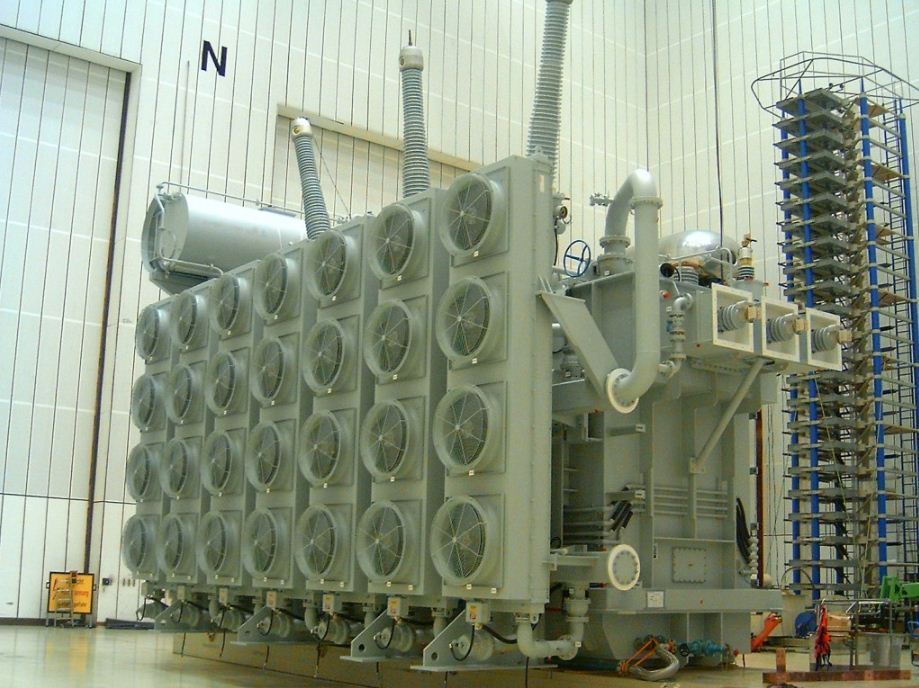
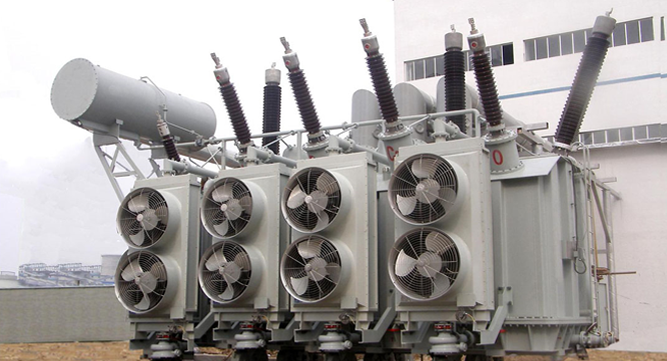
ONAF Cooling (Oil Natural Air Forced)
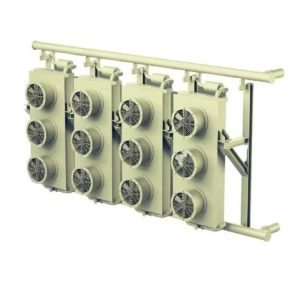
ONAF systems use fans or blowers to increase cooling efficiency.
Advantages
Higher cooling capacity
Better performance under peak loads
Suitable for hot climates
Best Applications
High-voltage substations
Heavy industrial transformers
Renewable energy projects
Key Features to Consider When Buying a Transformer Oil Cooler
Choosing the right oil cooler requires evaluating several important factors.
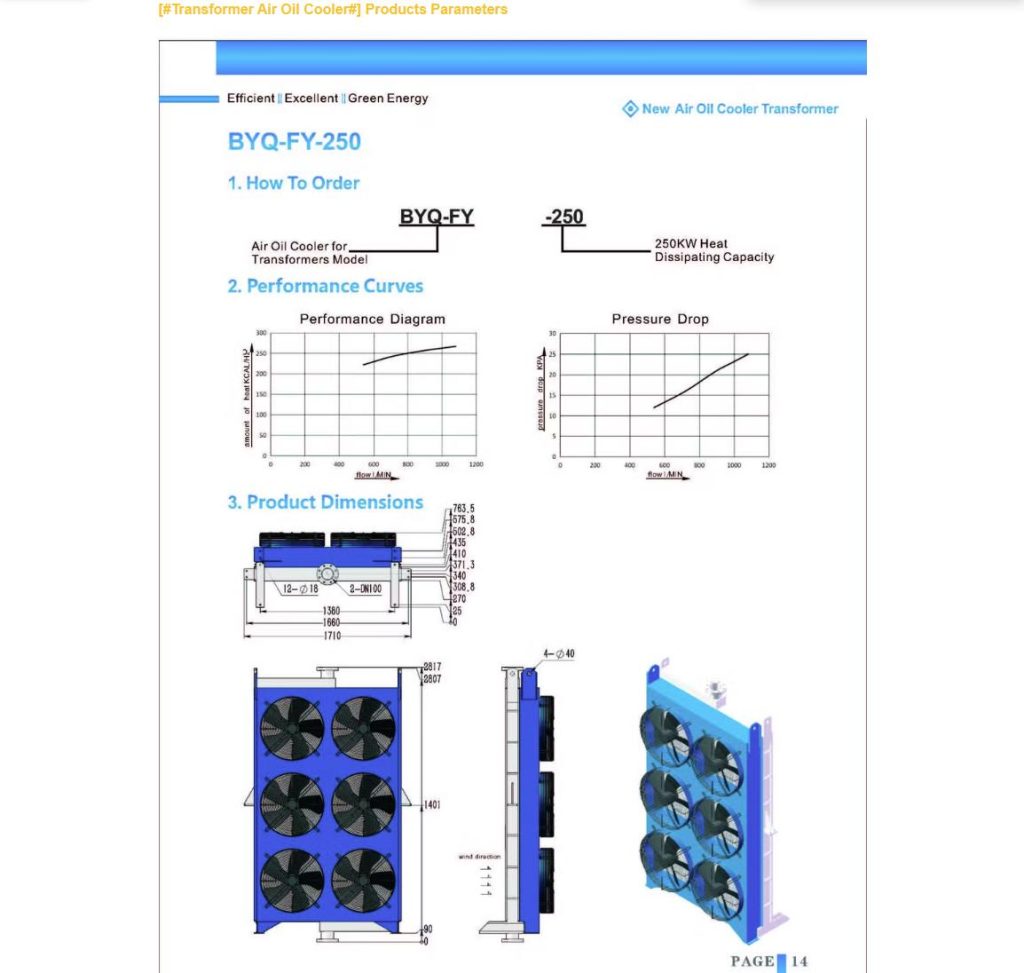
1. Cooling Capacity
Cooling capacity determines how effectively the cooler dissipates heat.
Factors Affecting Cooling Capacity
Transformer load
Ambient temperature
Oil flow rate
Radiator surface area
Fan efficiency
For large transformers such as 110kV or 220kV systems, higher cooling capacities are essential.
2. Material Selection
The material used in transformer oil coolers directly affects durability and heat transfer performance.
Steel Radiators
Most commonly used in industrial transformers.
Benefits
High mechanical strength
Long lifespan
Excellent corrosion resistance
Aluminum Coolers
Used in lightweight applications.
Benefits
Excellent thermal conductivity
Lightweight structure
Stainless Steel Components
Used in harsh environments or coastal areas.
Benefits
Superior corrosion resistance
Ideal for humid climates
Radiastar uses high-quality steel and anti-corrosion coatings to ensure long-term reliability.
3. Corrosion Protection
Outdoor substations expose transformer coolers to:
Rain
Humidity
Salt spray
Dust
Industrial pollution
High-quality coating systems improve durability and reduce maintenance costs.
Radiastar transformer oil coolers feature:
Sandblasted surfaces
Powder coating
Industrial anti-corrosion paint systems
4. Structural Design
Well-designed coolers improve oil circulation and heat transfer efficiency.
Important design considerations include:
Oil flow path optimization
Weld integrity
Pressure resistance
Compact installation layout
5. Maintenance Accessibility
Easy maintenance reduces operational downtime.
Look for:
Drain valves
Oil inspection ports
Replaceable cooling fans
Modular radiator sections
Cooling Capacity Calculation Basics
Transformer cooling systems must match transformer load requirements.
Typical Influencing Factors
Transformer Capacity
Larger transformers generate more heat.
Examples:
10MVA transformer
50MVA transformer
110kV power transformer
Ambient Temperature
Hot climates require enhanced cooling systems.
Load Profile
Continuous heavy loads require larger cooling systems than intermittent loads.
Cooling Method
ONAF systems typically provide higher cooling capacity than ONAN systems.
Applications of Transformer Oil Coolers
Utility Substations
Oil coolers maintain stable transformer operation for urban and regional power grids.
Industrial Plants
Factories and manufacturing facilities rely on efficient transformer cooling to support continuous production.
Renewable Energy Projects
Solar and wind farms use transformer oil coolers to manage fluctuating electrical loads.
Railway Electrification
Traction transformers require stable cooling under demanding operating conditions.
Why Choose Radiastar Transformer Oil Coolers?
Radiastar is a professional manufacturer specializing in transformer cooling systems and transformer oil tanks.
Regular maintenance improves cooling efficiency and extends transformer lifespan.
Recommended Maintenance Practices
Inspect for Oil Leaks
Check welded joints and valves regularly.
Clean Cooling Surfaces
Dust buildup reduces heat dissipation efficiency.
Monitor Oil Temperature
Abnormal temperatures may indicate circulation issues.
Check Cooling Fans
Ensure ONAF fan systems operate correctly.
Perform Oil Testing
Regular oil analysis helps detect contamination or insulation degradation.
Future Trends in Transformer Cooling Technology
Modern transformer cooling systems are evolving rapidly.
Smart Cooling Systems
Digital monitoring improves predictive maintenance.
Eco-Friendly Materials
Manufacturers are adopting environmentally friendly coatings and insulation oils.
Compact High-Efficiency Designs
Urban substations increasingly require smaller yet more efficient cooling systems.
ZTELEC YUGUANG continues investing in advanced transformer cooling technology to support modern power infrastructure.
Conclusion
A reliable power transformer oil cooler is essential for maintaining safe transformer operation, improving energy efficiency, and extending equipment lifespan.
When selecting a transformer cooling system, buyers should carefully evaluate:
With advanced manufacturing, strict quality control, and customizable solutions, ZTELEC YUGUANG continues to deliver efficient and reliable transformer cooling systems worldwide.