Dry Type Transformer Winding Coil Manufacturer | Cast Resin Coil Supplier
07-17 2026 | By:
Dry Type Transformer Winding Coil: The Complete Guide to Design, Manufacturing, Applications & OEM Solutions
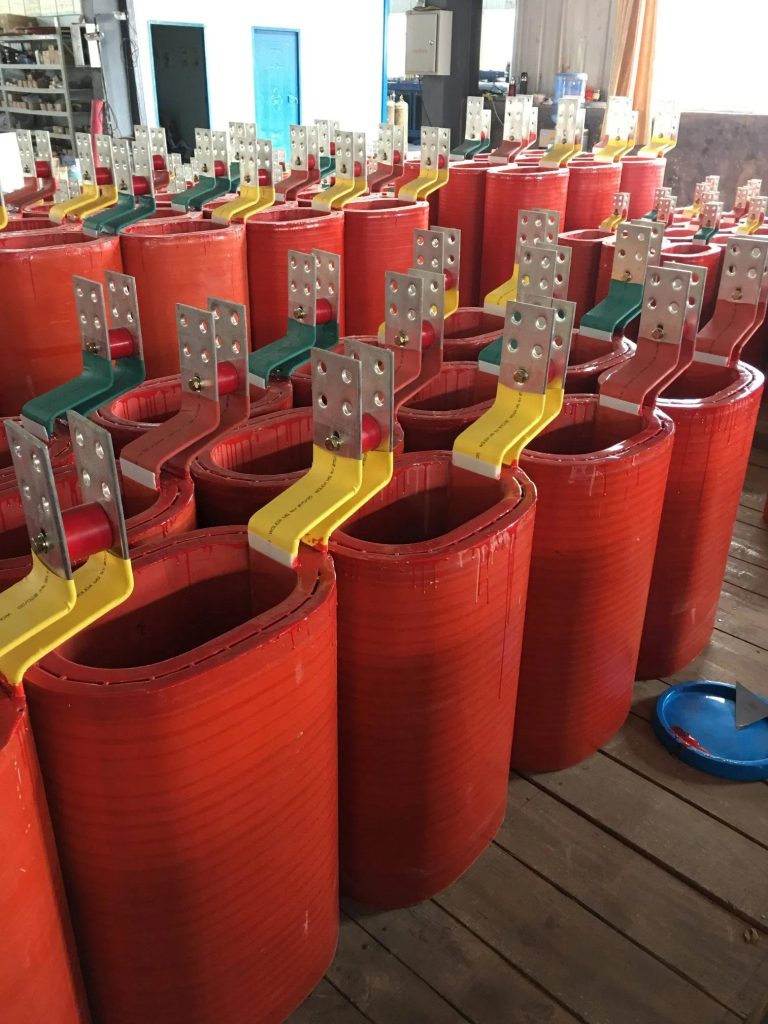
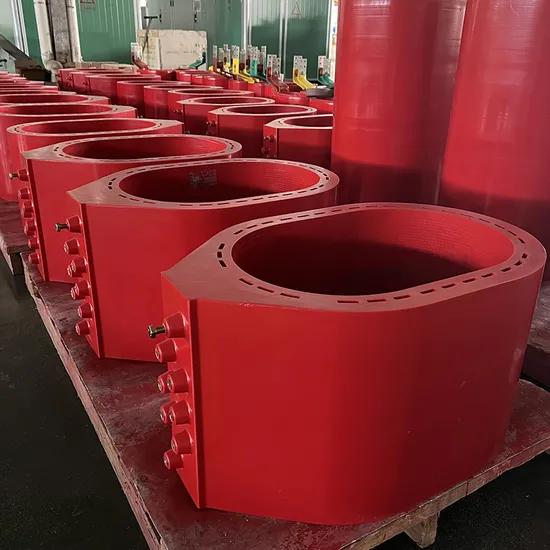
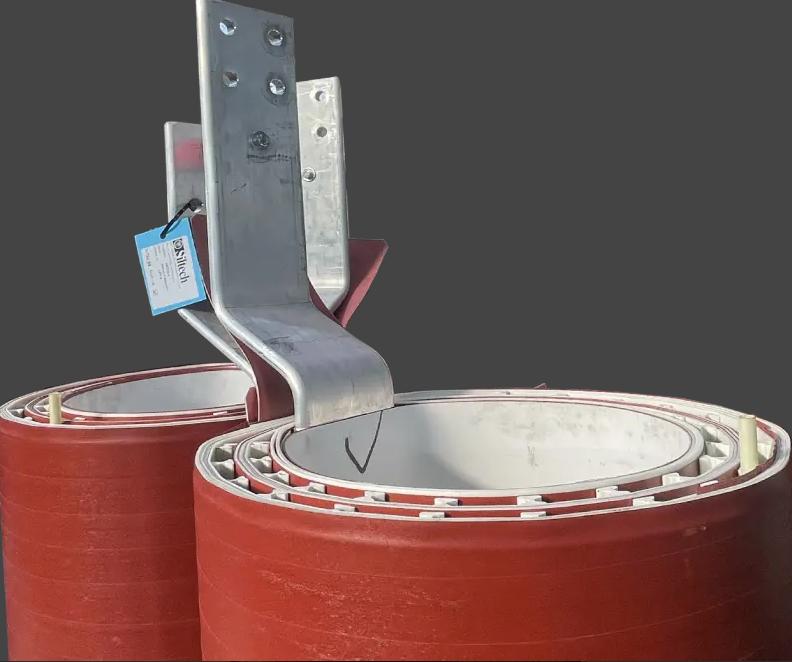
A Dry Type Transformer Winding Coil is the core electrical component of a dry-type transformer that converts electrical energy through electromagnetic induction. Unlike oil-immersed transformer windings, dry-type coils are insulated using epoxy resin, Nomex®, DMD, or other high-performance insulation systems without mineral oil.
Modern dry-type transformer coils are manufactured using copper or aluminum conductors with vacuum epoxy casting or Vacuum Pressure Impregnation (VPI) technology. They offer excellent fire resistance, moisture resistance, low maintenance, and reliable performance in commercial buildings, data centers, hospitals, renewable energy systems, industrial plants, and railway substations.
What Is a Dry Type Transformer Winding Coil?
A Dry Type Transformer Winding Coil is the electromagnetic winding assembly installed around the transformer core. It transfers electrical energy from the primary winding to the secondary winding by electromagnetic induction, enabling voltage conversion while maintaining electrical isolation between circuits.
Unlike oil-filled transformers, dry-type transformer coils rely on solid insulation systems rather than insulating oil. Depending on the transformer design, the windings are protected using:
- Vacuum Cast Epoxy Resin
- Vacuum Pressure Impregnation (VPI)
- Nomex® Insulation
- DMD Insulation
- Glass Fiber Reinforced Insulation
- High-Temperature Epoxy Systems
These insulation systems significantly improve dielectric strength, thermal stability, and resistance to moisture, dust, and contaminants, making dry-type transformers suitable for indoor and environmentally sensitive installations.
Why Is the Winding Coil So Important?
The winding coil is the heart of every transformer. Its electrical and mechanical performance directly affects:
- Voltage regulation
- Power efficiency
- Short-circuit withstand capability
- Partial discharge performance
- Heat dissipation
- Transformer lifespan
- Operational safety
A poorly designed winding can lead to excessive temperature rise, insulation degradation, reduced efficiency, and premature transformer failure.
For this reason, professional manufacturers carefully optimize conductor selection, winding geometry, insulation materials, and resin casting technology to ensure long-term reliability.
How Does a Dry Type Transformer Winding Coil Work?
A dry-type transformer winding operates based on Faraday’s Law of Electromagnetic Induction.
When alternating current flows through the primary winding, it creates a changing magnetic field within the laminated silicon steel core. This alternating magnetic flux induces voltage in the secondary winding without any direct electrical connection.
The voltage ratio depends primarily on the turns ratio between the two windings.
The winding system consists of:
- Primary Winding
- Secondary Winding
- Electrical Insulation
- Cooling Air Channels
- Mechanical Support Structure
The insulation system prevents electrical breakdown between turns while allowing efficient heat dissipation during continuous operation.
As transformer capacity increases, thermal management becomes increasingly important. Modern dry-type transformer coils are therefore designed with optimized cooling ducts, resin formulations, and conductor arrangements to improve airflow and reduce hot spots.
Key Functions of a Dry Type Transformer Winding Coil
A high-quality transformer winding performs several critical functions:
Efficient Voltage Transformation
The primary function is to convert electrical voltage according to the required turns ratio while minimizing energy losses.
Electrical Insulation
Advanced insulation systems prevent inter-turn short circuits and ensure safe long-term operation under high electrical stress.
Heat Dissipation
The winding structure incorporates cooling channels that allow natural air cooling (AN) or forced air cooling (AF), improving temperature control and extending service life.
Mechanical Strength
During fault conditions, transformers experience extremely high electromagnetic forces. Proper winding design and resin casting help withstand these mechanical stresses without deformation.
Fire Safety
Epoxy cast resin coils are self-extinguishing and produce minimal toxic gases, making them ideal for installations in hospitals, data centers, commercial buildings, tunnels, and high-rise structures.
Main Components of a Dry Type Transformer Winding Coil
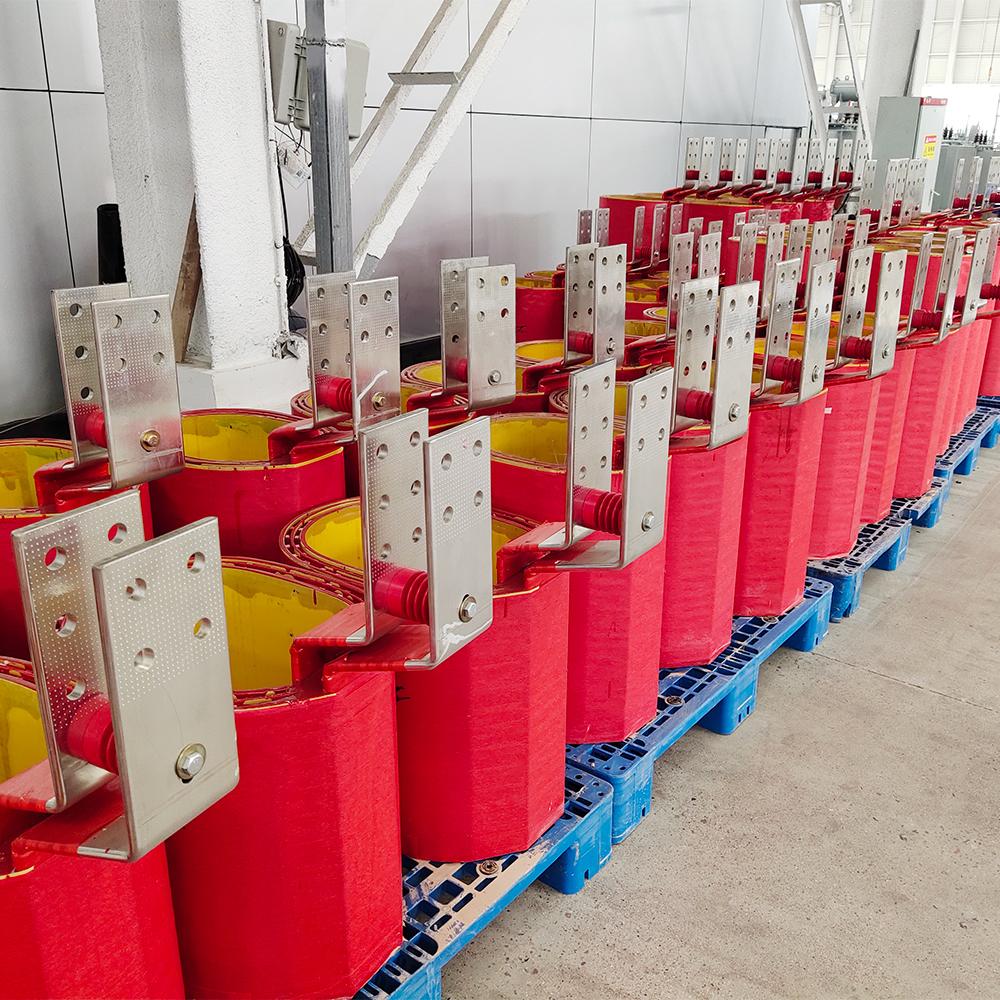
A complete dry-type transformer winding assembly typically consists of the following components:
| Component | Function |
|---|---|
| High-Voltage Winding | Receives incoming medium- or high-voltage power and initiates electromagnetic induction. |
| Low-Voltage Winding | Delivers the transformed voltage to the load with high current-carrying capability. |
| Copper or Aluminum Conductors | Serve as the electrical pathway, selected based on conductivity, weight, and cost. |
| Epoxy Resin Insulation | Provides dielectric insulation, moisture protection, and mechanical reinforcement. |
| Glass Fiber Reinforcement | Enhances structural strength and resistance to short-circuit forces. |
| Cooling Air Ducts | Improve natural or forced-air circulation to control operating temperature. |
| Insulation Spacers & Barriers | Maintain safe electrical clearances and reduce partial discharge risk. |
| Clamping Structure | Secures the winding assembly, minimizing vibration and mechanical displacement during operation. |
These components work together to ensure electrical performance, thermal stability, and long service life under demanding operating conditions.
You may also find these interesting: