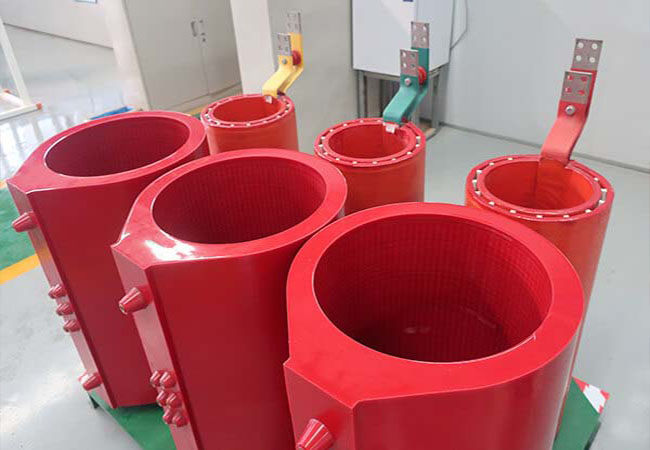
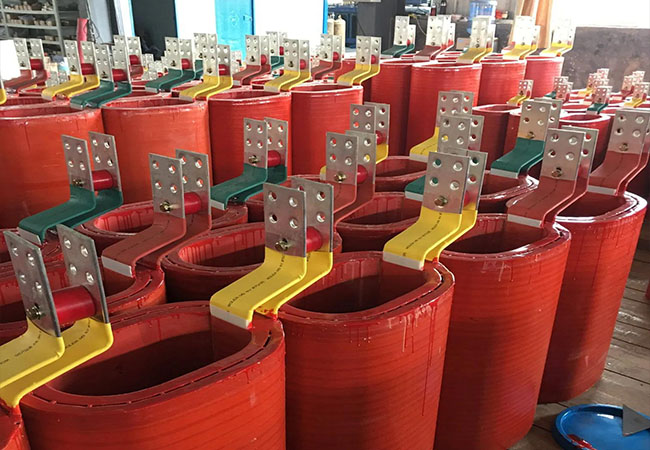
Dry Type Transformer Winding Coils Technical Specifications
07-17 2026 | By:
Choosing the correct winding coil requires more than matching voltage and capacity. Engineers, EPC contractors, and transformer manufacturers must evaluate insulation class, conductor material, cooling method, mechanical strength, and applicable standards to ensure reliable long-term operation.
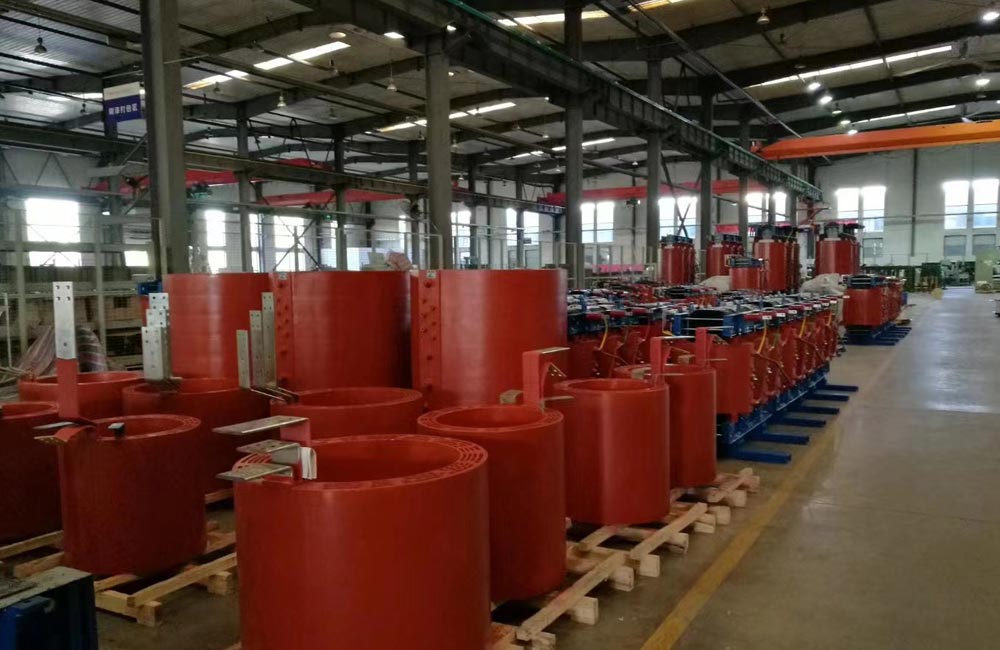
The following specifications represent the typical design range for modern dry-type transformer winding coils. Custom configurations can be engineered for special operating environments or project requirements.
| Parameter | Standard Specification | Custom Options |
|---|---|---|
| Rated Voltage | 0.4kV–35kV | Up to customer requirements |
| Rated Capacity | 30kVA–31,500kVA | Custom design available |
| Frequency | 50Hz / 60Hz | Dual-frequency available |
| Conductor Material | Copper / Aluminum | Copper foil or aluminum foil |
| Winding Type | Foil Winding / Layer Winding | Custom winding structure |
| Insulation System | Epoxy Resin / VPI | Nomex®, DMD, Glass Fiber |
| Insulation Class | Class F (155°C) / Class H (180°C) | Project-specific insulation |
| Cooling Method | AN / AF | Custom cooling arrangements |
| Partial Discharge | ≤10 pC (typical) | According to IEC project requirements |
| Standards | IEC 60076-11, IEEE C57 | Customer specification |
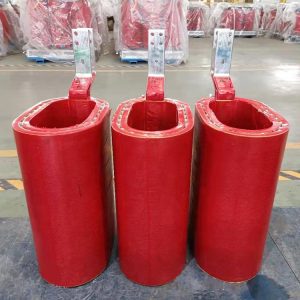
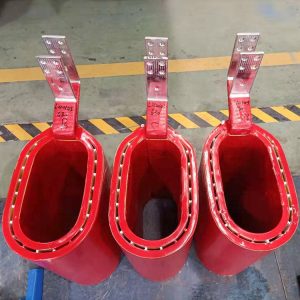
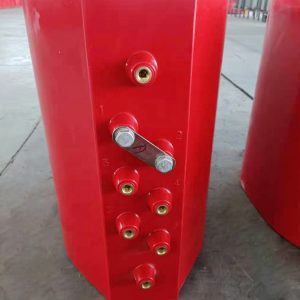
Standard Voltage Ratings
Dry-type transformer winding coils are widely used in medium- and low-voltage distribution systems.
Typical voltage levels include:
Low Voltage
- 400V
- 415V
- 480V
- 690V
Medium Voltage
- 3.3kV
- 6kV
- 10kV
- 11kV
- 13.8kV
- 15kV
- 20kV
- 22kV
- 33kV
- 35kV
Each voltage class requires different insulation distances, conductor arrangements, and dielectric design.
Transformer Capacity Range
Different transformer capacities require different winding structures and cooling strategies.
| Capacity | Typical Application |
|---|---|
| 30–250 kVA | Commercial Buildings |
| 315–1000 kVA | Factories |
| 1250–2500 kVA | Industrial Plants |
| 3150–6300 kVA | Renewable Energy |
| 8000–31500 kVA | Utility Substations |
Larger transformers generally incorporate optimized cooling ducts, reinforced mechanical supports, and advanced insulation systems to improve thermal stability under continuous operation.
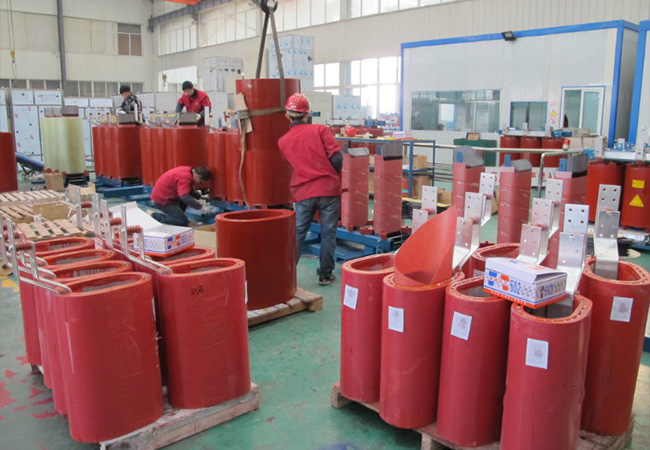
Dry Type Transformer Winding Coils Advantages
Compared with conventional oil-filled transformer windings, dry-type transformer winding coils provide significant advantages in safety, environmental protection, and operational reliability.
Excellent Fire Safety
One of the primary reasons for selecting dry-type transformers is fire protection.
Because no insulating oil is used, there is no risk of oil leakage or oil fire.
Vacuum-cast epoxy resin is self-extinguishing and produces significantly less smoke than oil-based insulation systems.
This makes dry-type transformer coils suitable for:
- Hospitals
- Airports
- Shopping Centers
- Metro Stations
- High-Rise Buildings
- Data Centers
Superior Moisture Resistance
Epoxy resin completely encapsulates the winding, preventing moisture penetration.
Even under high humidity conditions, the insulation system maintains excellent dielectric strength.
This makes dry-type coils suitable for:
- Coastal Areas
- Tropical Regions
- Underground Installations
- Chemical Plants
High Mechanical Strength
During short-circuit events, transformers experience tremendous electromagnetic forces.
The rigid epoxy resin structure prevents winding displacement, deformation, and insulation damage.
Benefits include:
- Improved short-circuit withstand capability
- Reduced vibration
- Longer service life
- Stable electrical performance
Low Maintenance
Unlike oil-filled transformers, dry-type transformer coils require:
- No oil replacement
- No oil sampling
- No oil filtration
- No leak inspection
Routine maintenance generally consists of:
- Visual inspection
- Dust cleaning
- Thermal scanning
- Electrical testing
This significantly reduces operating costs throughout the transformer’s lifecycle.
Excellent Environmental Performance
Dry-type transformer winding coils eliminate many environmental concerns associated with oil-filled transformers.
Advantages include:
- No insulating oil
- No groundwater contamination
- No oil disposal costs
- Lower environmental risk
These characteristics support sustainable infrastructure and green building projects.
Applications of Dry Type Transformer Winding Coils
Modern dry-type transformer winding coils are used in nearly every industrial sector where safe, reliable, and low-maintenance power distribution is required.
Commercial Buildings
Shopping malls, office buildings, and hotels require compact transformers with excellent fire performance.
Dry-type transformer coils offer:
- Indoor installation
- Low maintenance
- Quiet operation
- High safety
Data Centers
Data centers demand continuous power supply with minimal downtime.
Dry-type transformer coils provide:
- High reliability
- Excellent overload capability
- Low partial discharge
- Stable voltage regulation
These characteristics help protect critical IT infrastructure and reduce operational risk.
Hospitals
Medical facilities require uninterrupted power for life-support equipment, operating rooms, and diagnostic systems.
Dry-type transformer coils are preferred because they offer:
- Fire safety
- Low noise
- Maintenance-free operation
- High reliability
Renewable Energy
Solar farms and wind power plants often experience fluctuating load conditions.
Dry-type transformer winding coils provide:
- Excellent thermal performance
- Strong overload capability
- High efficiency
- Long service life
Applications include:
- Solar inverter transformers
- Wind turbine transformers
- Energy storage systems
- Green hydrogen projects
Rail Transit
Metro systems, high-speed rail, and urban transportation require transformers capable of operating under vibration and heavy electrical loading.
Advantages include:
- High mechanical strength
- Stable insulation performance
- Excellent short-circuit resistance
- Long maintenance intervals
Mining Industry
Mining operations expose electrical equipment to dust, vibration, and harsh environments.
Epoxy cast resin coils offer:
- Dust resistance
- Mechanical durability
- Reliable operation
- Reduced maintenance
Petrochemical Industry
Chemical plants often contain corrosive gases and strict fire protection requirements.
Dry-type transformer coils provide:
- Corrosion resistance
- Fire safety
- High dielectric performance
- Reliable continuous operation
Airports
Airports require uninterrupted electrical power for:
- Runway lighting
- Navigation systems
- Terminal buildings
- Security equipment
Dry-type transformer winding coils help ensure reliable operation while minimizing fire risks in passenger areas.
Why More EPC Contractors Choose Dry Type Transformer Coils
Engineering, Procurement, and Construction (EPC) companies increasingly specify dry-type transformer winding coils due to their combination of safety, reliability, and lower lifecycle costs.
Key benefits include:
- Compliance with international standards
- Reduced maintenance requirements
- Faster installation
- Lower environmental impact
- Enhanced operational safety
- Suitability for indoor and confined spaces
These advantages make dry-type transformer winding coils a preferred solution for modern infrastructure projects across commercial, industrial, utility, and renewable energy sectors.
You may also find these interesting: