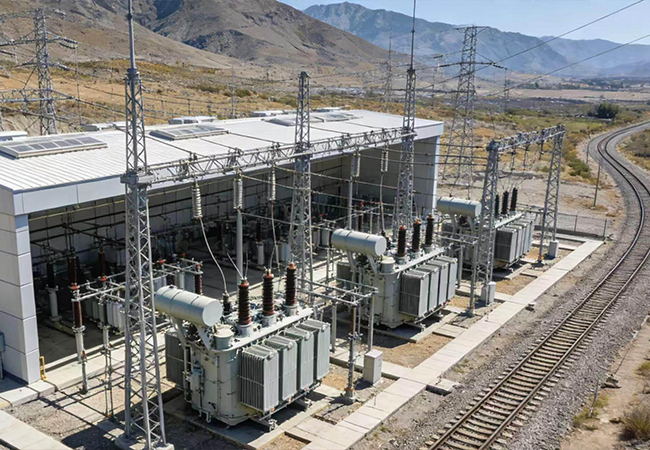
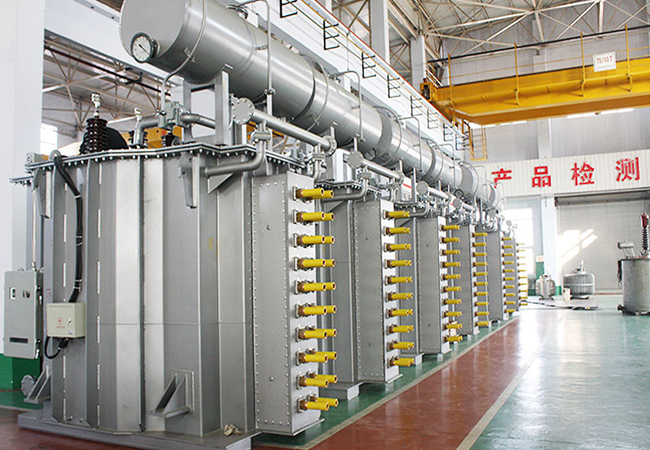
110kV 50MVA Power Transformer
11-05 2026 | By:
110kV 50MVA Power Transformer: Specifications, Design, Applications and Manufacturer
Introduction
A 110kV 50MVA power transformer is a critical component in high-voltage power transmission and distribution systems. It is widely used in utility substations, industrial power plants, renewable energy projects and large-scale infrastructure developments.
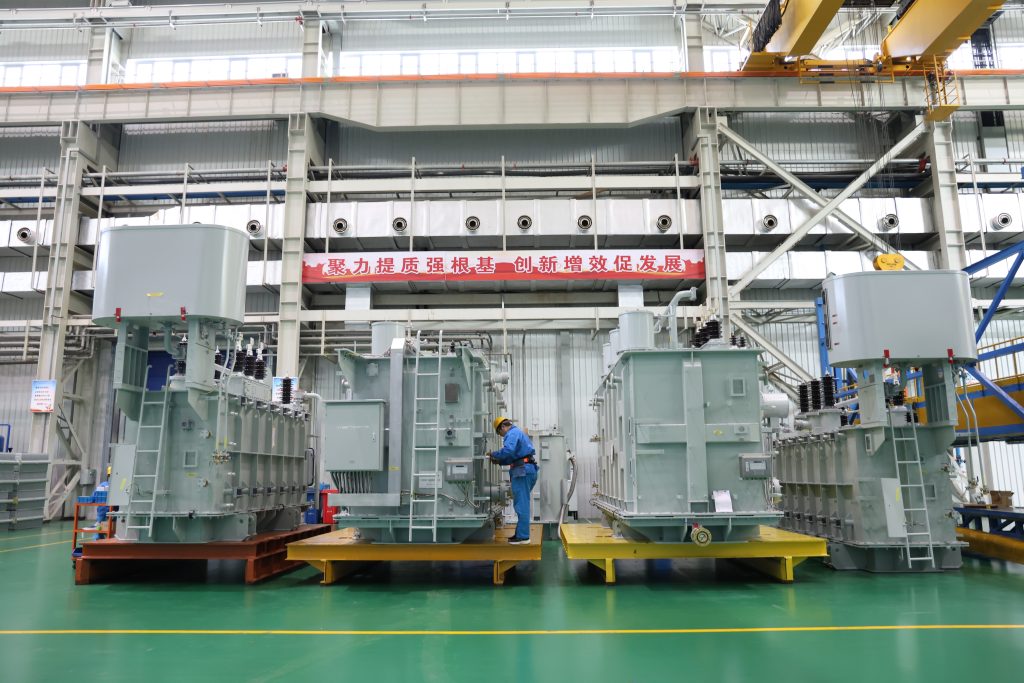
Designed to step down or step up electrical voltage between transmission and distribution networks, a 50MVA transformer helps ensure stable power supply, efficient energy transmission and reliable operation of electrical systems.
As an experienced power transformer manufacturer, ZTELEC YUGUANG provides high-voltage transformer solutions for different grid conditions, project requirements and international electrical standards.
Whether you are an EPC contractor, utility company, electrical equipment distributor or industrial project developer, selecting the right 110kV 50MVA power transformer requires careful consideration of technical specifications, cooling methods, winding configurations and operating conditions.
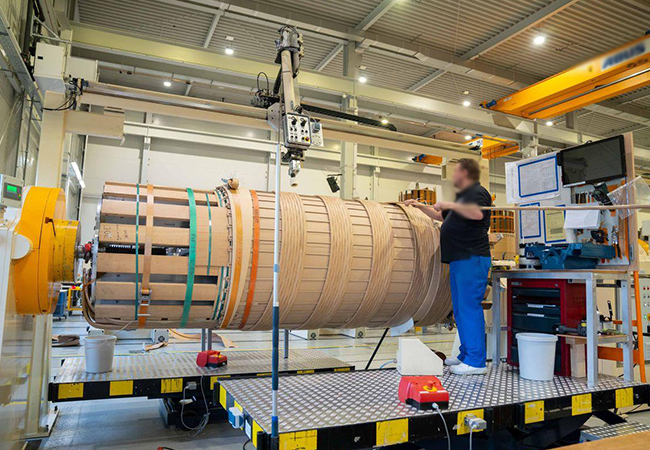
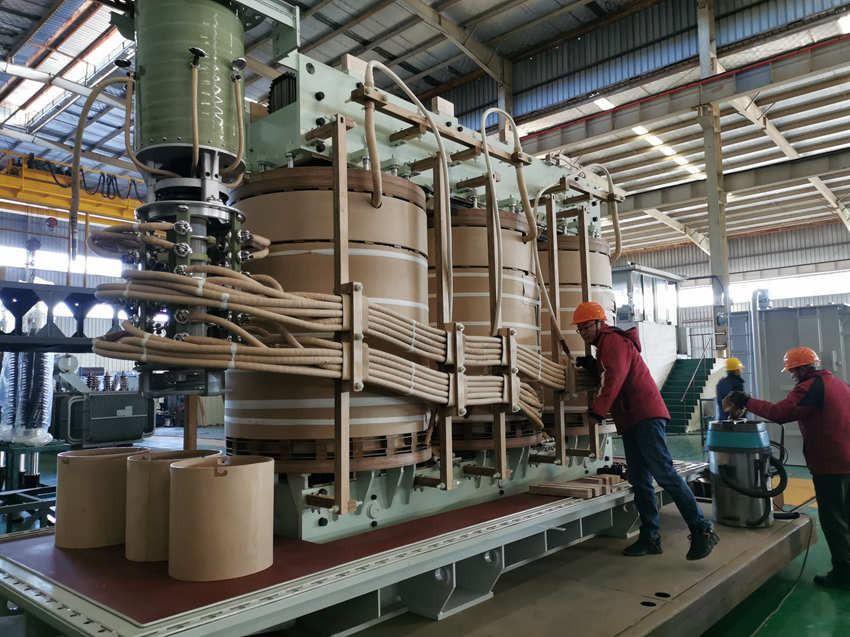
1. 110kV 50MVA Power Transformer Specifications
A 110kV 50MVA power transformer is generally designed for high-voltage substations and industrial power distribution systems.
The technical configuration can be customized according to project requirements, including voltage ratio, impedance, vector group, cooling method and tap changer arrangement.
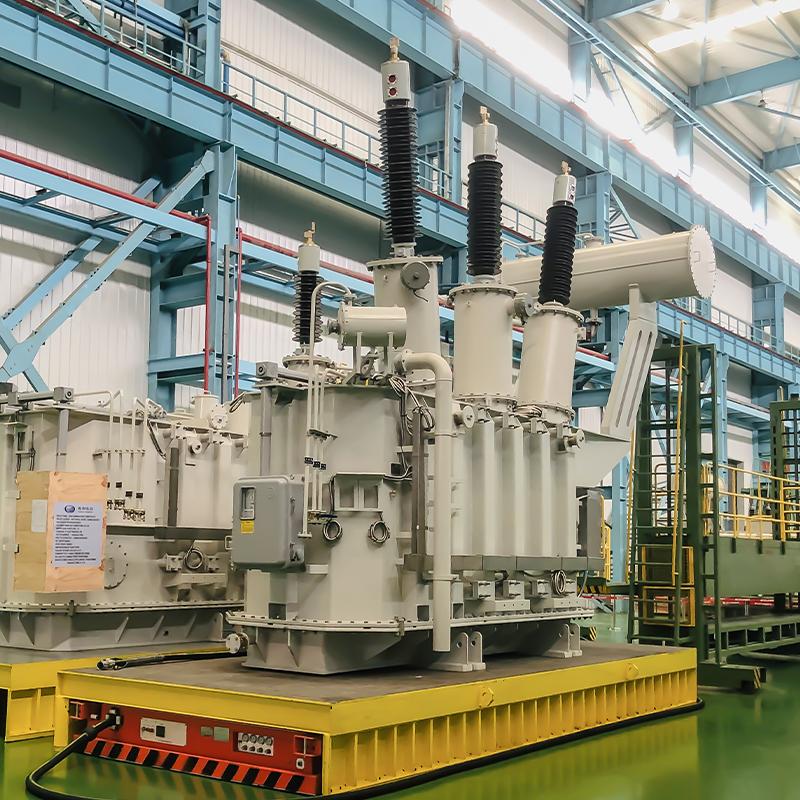
Typical technical specifications:
| Parameters | Technical Specifications |
|---|---|
| Rated Capacity | 50 MVA |
| Rated Voltage | 110kV / Customized LV |
| Number of Phases | Three Phase |
| Frequency | 50Hz / 60Hz |
| Transformer Type | Oil-Immersed Power Transformer |
| Cooling Method | ONAN / ONAF |
| Winding Material | Copper / Aluminum |
| Vector Group | Dyn11 / Customized |
| Tap Changer | OLTC / OCTC |
| Insulation Medium | Mineral Transformer Oil |
| Applicable Standard | IEC 60076 |
| Installation | Outdoor Substation |
| Operation | Step-Down / Step-Up |
Note: The above specifications represent a reference configuration, not a confirmed standard production datasheet. Final parameters depend on the approved technical specification and customer requirements.
2. Main Design Features of a 110kV 50MVA Transformer
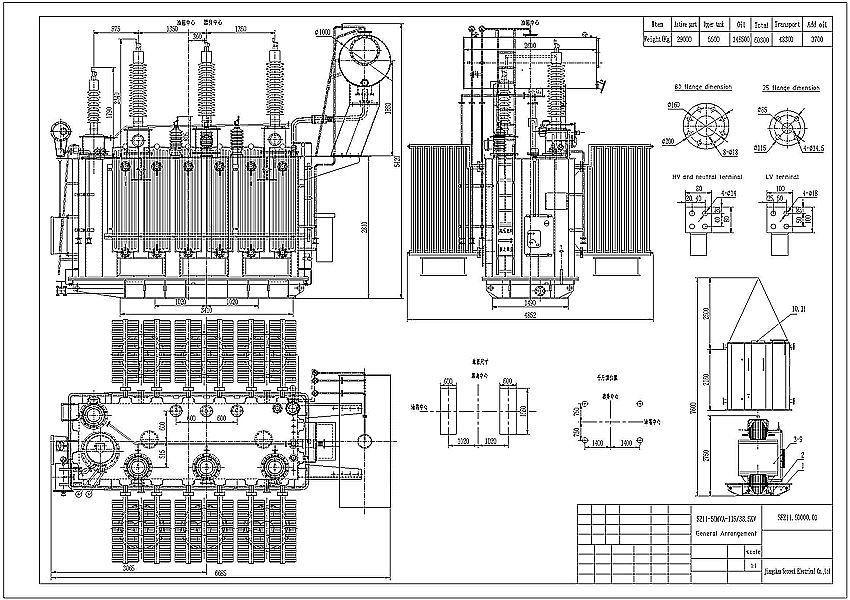
2.1 High-Voltage and Low-Voltage Windings
The windings are among the most important components of a power transformer. They are responsible for transferring electrical energy between different voltage levels through electromagnetic induction.
For a 110kV 50MVA transformer, the winding design must consider:
- Rated voltage and current
- Short-circuit withstand capability
- Insulation coordination
- Temperature rise limits
- Load losses and no-load losses
- Mechanical strength and electromagnetic forces
Copper or aluminum conductors can be selected according to the electrical design and project requirements.
2.2 Transformer Core
The magnetic core provides a low-reluctance path for magnetic flux and directly influences transformer efficiency and operating performance.
A laminated grain-oriented silicon steel core is commonly used in high-voltage power transformers.
The core design focuses on:
- Low no-load losses
- Reduced excitation current
- Low operating noise
- Reliable mechanical structure
- Long-term operational stability
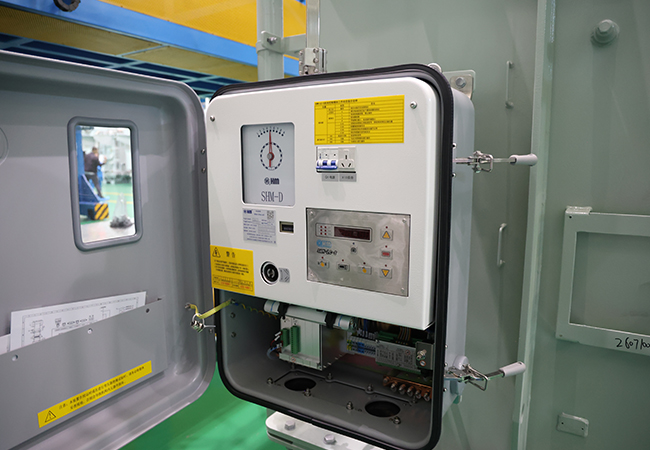
2.3 On-Load Tap Changer (OLTC)
An on-load tap changer allows the transformer to regulate its output voltage without interrupting the power supply.
It is particularly important for substations where voltage fluctuations occur due to changing loads and grid conditions.
The OLTC configuration is selected according to the required voltage regulation range, number of tap positions and operating conditions.
2.4 Cooling System
The cooling system removes heat generated by the transformer core and windings.
Common cooling configurations include:
- ONAN: Oil Natural Air Natural
- ONAF: Oil Natural Air Forced
For a 50MVA transformer, the cooling arrangement should be determined through thermal design calculations and the required continuous loading conditions.
3. Applications of 110kV 50MVA Power Transformers
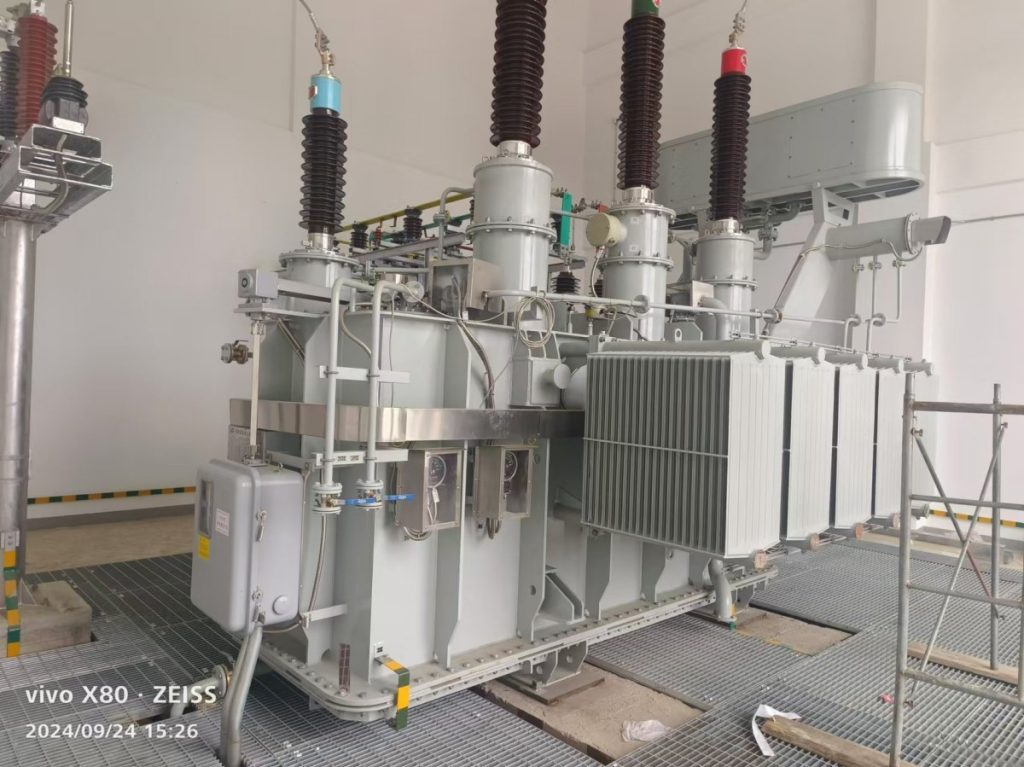
110kV 50MVA transformers are commonly used in medium- and high-voltage power infrastructure projects.
Power Grid and Utility Substations
Used in transmission and distribution substations to transfer electrical power between 110kV transmission networks and lower-voltage distribution systems.
Renewable Energy Projects
Suitable for solar and wind power projects requiring grid connection and voltage transformation.
Industrial Power Plants
Provides stable power supply for mining operations, steel plants, manufacturing facilities, petrochemical plants and other energy-intensive industries.
Infrastructure and Commercial Projects
Can be applied in large industrial parks, transportation infrastructure and major infrastructure developments.
4. How to Select the Right 110kV 50MVA Power Transformer
Choosing a suitable transformer requires more than confirming its rated capacity and voltage level.
Before purchasing, buyers and EPC contractors should evaluate the following technical factors.
1. Rated Voltage Ratio
Confirm the primary and secondary voltage requirements, such as 110/10.5kV, 110/11kV or other project-specific configurations.
2. Rated Capacity
A 50MVA transformer should be selected according to the actual load demand, future expansion requirements and operating conditions.
3. Impedance Voltage
Transformer impedance affects short-circuit current, voltage regulation and parallel operation. It should match the system design.
4. Cooling Method
Select ONAN, ONAF or another applicable cooling arrangement according to the required load capacity and ambient temperature.
5. Tap Changer Configuration
Determine whether an on-load tap changer or off-circuit tap changer is required.
6. Environmental Conditions
Consider ambient temperature, altitude, humidity, pollution level, seismic conditions and installation environment.
7. International Standards
IEC 60076 is a widely used reference for power transformer design, manufacturing and testing. Additional national standards may apply depending on the project location.
5. Manufacturing and Testing of 110kV Power Transformers
Manufacturing quality is essential for the long-term reliability of high-voltage power transformers.
A professional transformer factory should maintain strict quality control throughout the production process.
Typical manufacturing procedures include:
- Electrical design and engineering calculations
- Silicon steel core cutting and stacking
- High-voltage and low-voltage winding manufacturing
- Core and coil assembly
- Insulation installation and internal connections
- Vacuum drying and transformer oil filling
- Tank assembly and radiator installation
- Routine testing and final inspection
Testing procedures are selected according to applicable standards and the approved technical specification.
Common transformer tests include:
- Winding resistance measurement
- Voltage ratio and phase displacement measurement
- No-load loss and current measurement
- Load loss and impedance voltage measurement
- Applied voltage withstand test
- Induced voltage withstand test
- Insulation resistance measurement
- Transformer oil quality testing
Special tests, including temperature rise, lightning impulse and short-circuit withstand tests, may be required depending on the project specification.
6. Why Choose ZTELEC YUGUANG for 110kV Power Transformers?
ZTELEC YUGUANG focuses on the manufacturing and supply of high-voltage power transformers for international power infrastructure and industrial projects.
Our product portfolio covers multiple voltage levels and transformer configurations to meet different engineering and procurement requirements.
Our capabilities include:
- High-voltage power transformer manufacturing
- Customized transformer engineering solutions
- Oil-immersed transformer production
- Transformer winding and core assembly
- Professional testing and quality inspection
- Project-based technical support
- International project delivery experience
From technical specification confirmation to manufacturing, testing and delivery, we work with customers to develop transformer solutions that meet their application requirements.
7. Request a Quotation for a 110kV 50MVA Power Transformer
Looking for a reliable 110kV 50MVA power transformer manufacturer for your substation or industrial project?
Contact ZTELEC YUGUANG to discuss your transformer requirements and obtain a customized technical proposal.
To help us prepare an accurate quotation, please provide:
- Rated capacity: 50MVA
- Primary voltage: 110kV
- Secondary voltage: Please specify
- Frequency: 50Hz or 60Hz
- Cooling method: ONAN / ONAF
- Tap changer: OLTC / OCTC
- Applicable standard: IEC / Other
- Quantity required
- Project location and installation conditions
Contact ZTELEC YUGUANG today for technical consultation and a 110kV 50MVA power transformer quotation.
Frequently Asked Questions
Q1: What is a 110kV 50MVA power transformer used for?
It is mainly used in utility substations, industrial power plants, renewable energy projects and high-voltage distribution networks to transform electrical energy between different voltage levels.
Q2: What is the secondary voltage of a 110kV 50MVA transformer?
The secondary voltage depends on the electrical system design. Common configurations include 110/10.5kV and 110/11kV, but other voltage ratios can be customized.
Q3: Is a 50MVA power transformer available with an OLTC?
Yes. An on-load tap changer can be incorporated into the transformer design to regulate output voltage under varying load conditions.
Q4: What cooling methods are available for a 50MVA transformer?
ONAN and ONAF are common cooling configurations. The final selection depends on the rated capacity, temperature rise requirements and operating environment.
Q5: What information is needed to obtain a 110kV 50MVA transformer quotation?
Buyers should provide the voltage ratio, frequency, vector group, impedance, cooling method, tap changer requirements, applicable standards, quantity and project location. A technical specification or tender document is also helpful.
You may also find these interesting: